Understanding SLA: How to Measure Support Success
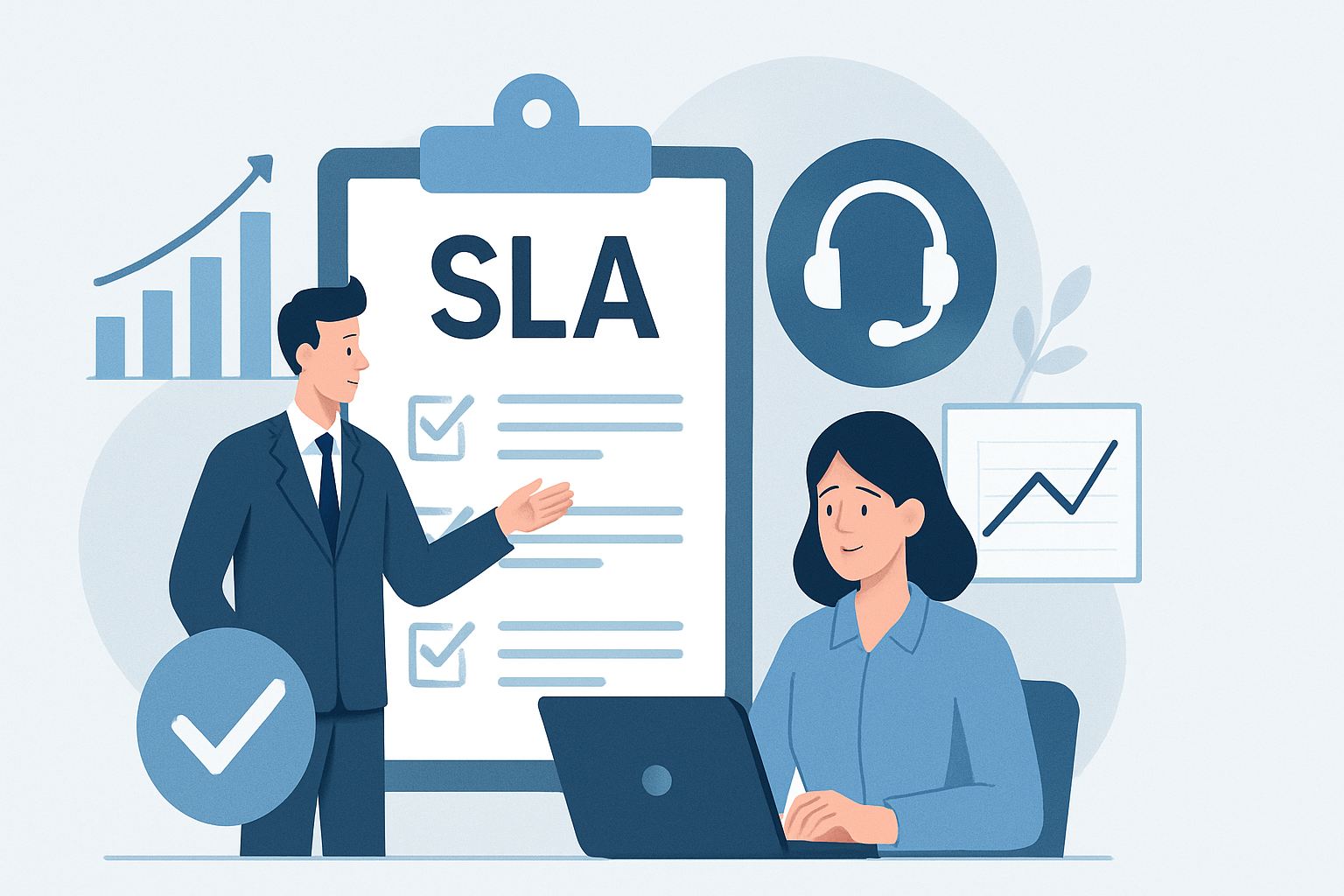
Understanding SLA: How to Measure Support Success
In today’s fast-paced business environment, ensuring that customers receive timely and effective support is crucial for maintaining satisfaction and loyalty. One of the key tools for measuring the success of customer support is the Service Level Agreement (SLA). This article explores what SLAs are, their significance, and how to effectively measure support success using them.
What is an SLA?
A Service Level Agreement (SLA) is a formal document that outlines the expected level of service between a service provider and a customer. It typically includes specific metrics that the provider commits to meet, such as response times, resolution times, and availability. SLAs are commonly used in IT services, customer support, and telecommunications, among other sectors.
The Importance of SLAs
SLAs are essential for several reasons:
- Clarity: They provide clear expectations for both the service provider and the customer.
- Accountability: SLAs hold service providers accountable for their performance, fostering a culture of responsibility.
- Performance Measurement: They offer a framework for measuring the quality and efficiency of support services.
- Improvement Opportunities: Analyzing SLA compliance can help identify areas for improvement in service delivery.
Key Metrics in SLAs
To measure support success effectively, SLAs typically include various metrics. Here are some of the most common:
- Response Time: The time taken to acknowledge a customer’s request or issue.
- Resolution Time: The time taken to resolve a customer’s issue from the moment it is reported.
- Uptime: The percentage of time that a service or system is operational and available for use.
- Customer Satisfaction (CSAT): A measure of how satisfied customers are with the service provided.
How to Measure Support Success Using SLAs
Measuring support success with SLAs involves several steps:
- Define Clear SLAs: Start by defining clear and achievable SLAs based on customer expectations and business capabilities.
- Monitor Performance: Regularly monitor support performance against the defined SLAs. Use tools and software that can track metrics in real-time.
- Analyze Data: Analyze the collected data to assess compliance with SLAs. Look for trends, patterns, and outliers.
- Solicit Feedback: Gather feedback from customers about their experiences. This can provide valuable insights beyond what metrics alone can offer.
- Continuous Improvement: Use the analysis and feedback to identify areas for improvement and make necessary adjustments to both processes and SLAs.
Challenges in SLA Management
While SLAs are beneficial, managing them comes with its own set of challenges:
- Setting Realistic Targets: It’s crucial to set achievable targets that reflect both customer expectations and operational capabilities.
- Changing Customer Needs: As customer needs evolve, SLAs may require adjustments to remain relevant.
- Data Accuracy: Ensuring accurate tracking and reporting of metrics can be difficult but is necessary for valid assessments.
Conclusion
Understanding and effectively managing SLAs is vital for measuring support success. By defining clear metrics, monitoring performance, and continuously seeking improvement, organizations can enhance their support services, leading to higher customer satisfaction and loyalty. Remember, SLAs are not just a contract; they are a commitment to excellence in service delivery.
Este artigo faz parte do nosso blog. Veja-o na lista e descubra mais.
Ver todos os artigosSimplifique o seu apoio ao cliente. Organize tickets, responda mais rápido e mantenha a equipa alinhada.
Agendar Demonstração