Understanding SLA: How to Set Effective Support Metrics for Success
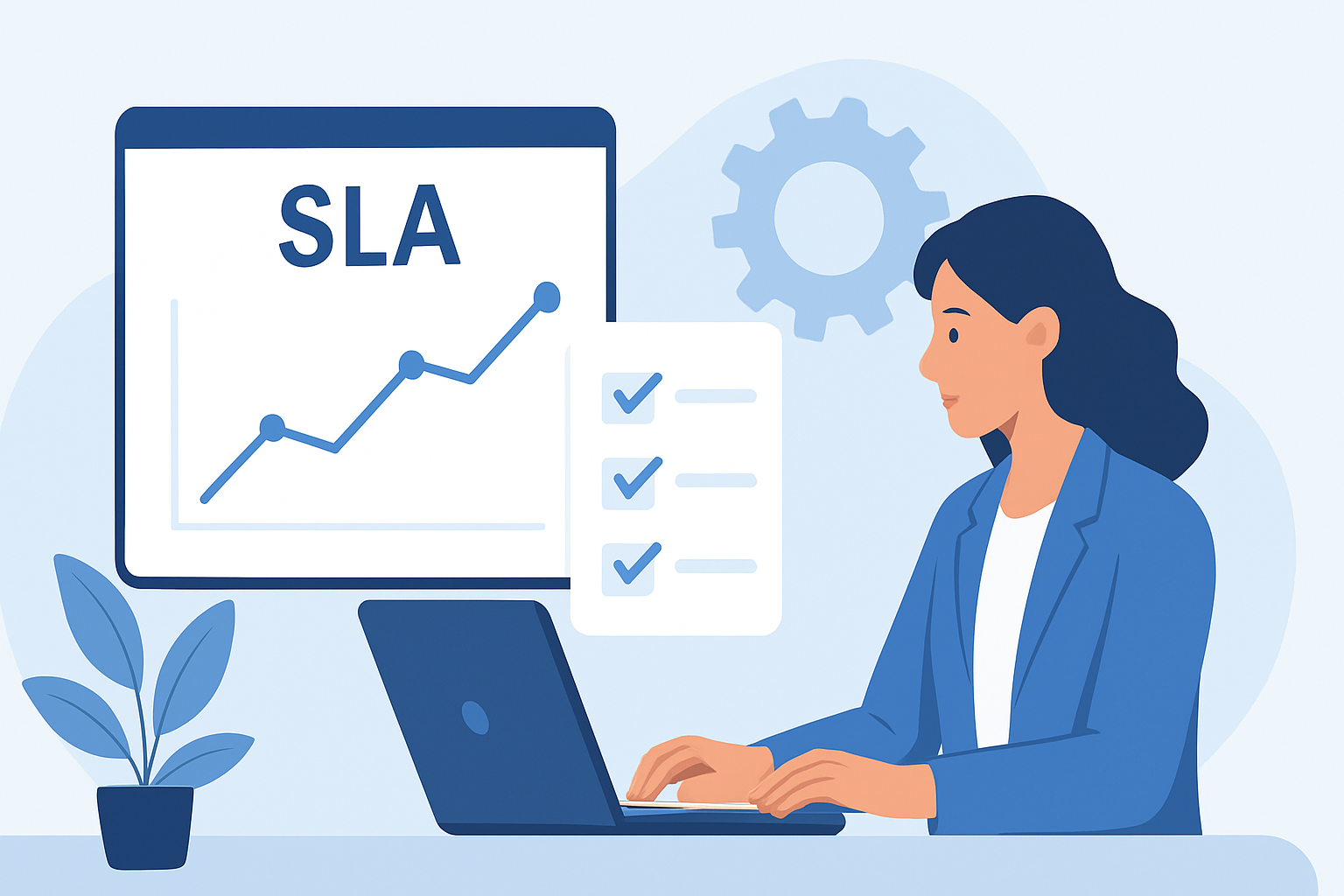
Understanding SLA: How to Set Effective Support Metrics for Success
Service Level Agreements (SLAs) are essential components in defining the expectations between service providers and their clients. They outline the level of service expected and help in measuring the performance of support teams. In this article, we will explore the importance of SLAs, how to set effective support metrics, and the best practices to ensure success.
What is an SLA?
An SLA is a formal document that specifies the services a provider will offer, the expected level of service, and the metrics by which that service is measured. It serves as a contract between the service provider and the client, establishing clear expectations for both parties.
The Importance of SLAs
- Clarity: SLAs provide clarity on what clients can expect, reducing misunderstandings and enhancing communication.
- Accountability: They hold service providers accountable for their performance, ensuring that they meet the agreed standards.
- Performance Measurement: SLAs allow for the measurement of service quality and performance, helping to identify areas for improvement.
- Trust Building: Clear SLAs foster trust between clients and providers, leading to stronger business relationships.
Setting Effective Support Metrics
To create an effective SLA, it is vital to establish relevant support metrics. Here are some key metrics to consider:
- Response Time: This metric measures how quickly a support team acknowledges a customer's request. A prompt response can significantly enhance customer satisfaction.
- Resolution Time: This indicates how long it takes to resolve an issue after it has been reported. Short resolution times often correlate with higher customer satisfaction.
- First Contact Resolution (FCR): This metric assesses the percentage of issues resolved during the first interaction. A high FCR is indicative of effective support processes.
- Customer Satisfaction Score (CSAT): This score reflects how satisfied customers are with the support they received. It is typically gathered through surveys following a support interaction.
- Ticket Volume: Tracking the number of support requests can help identify trends and areas that may require additional resources or training.
Best Practices for Defining SLAs
When defining SLAs, consider the following best practices:
- Involve Stakeholders: Engage both clients and support teams in the SLA creation process to ensure that the agreement meets the needs of all parties.
- Be Realistic: Set achievable metrics based on historical data and current capabilities. Unrealistic goals can lead to frustration and decreased morale.
- Regular Reviews: Periodically review and update SLAs to reflect changing business needs, technological advancements, and customer expectations.
- Educate Your Team: Ensure that your support team understands the SLAs and the importance of meeting the defined metrics.
- Communicate with Clients: Keep clients informed about SLA performance and any changes to the agreement, fostering transparency and trust.
Conclusion
Understanding and implementing effective SLAs is crucial for the success of any support organization. By setting clear metrics and following best practices, businesses can enhance their service delivery, improve customer satisfaction, and build lasting relationships with their clients. Remember, an SLA is not just a document; it is a commitment to providing exceptional service.
Este artigo faz parte do nosso blog. Veja-o na lista e descubra mais.
Ver todos os artigosSimplifique o seu apoio ao cliente. Organize tickets, responda mais rápido e mantenha a equipa alinhada.