Understanding SLA: Key Components Every Business Should Know
Understanding SLA: Key Components Every Business Should Know
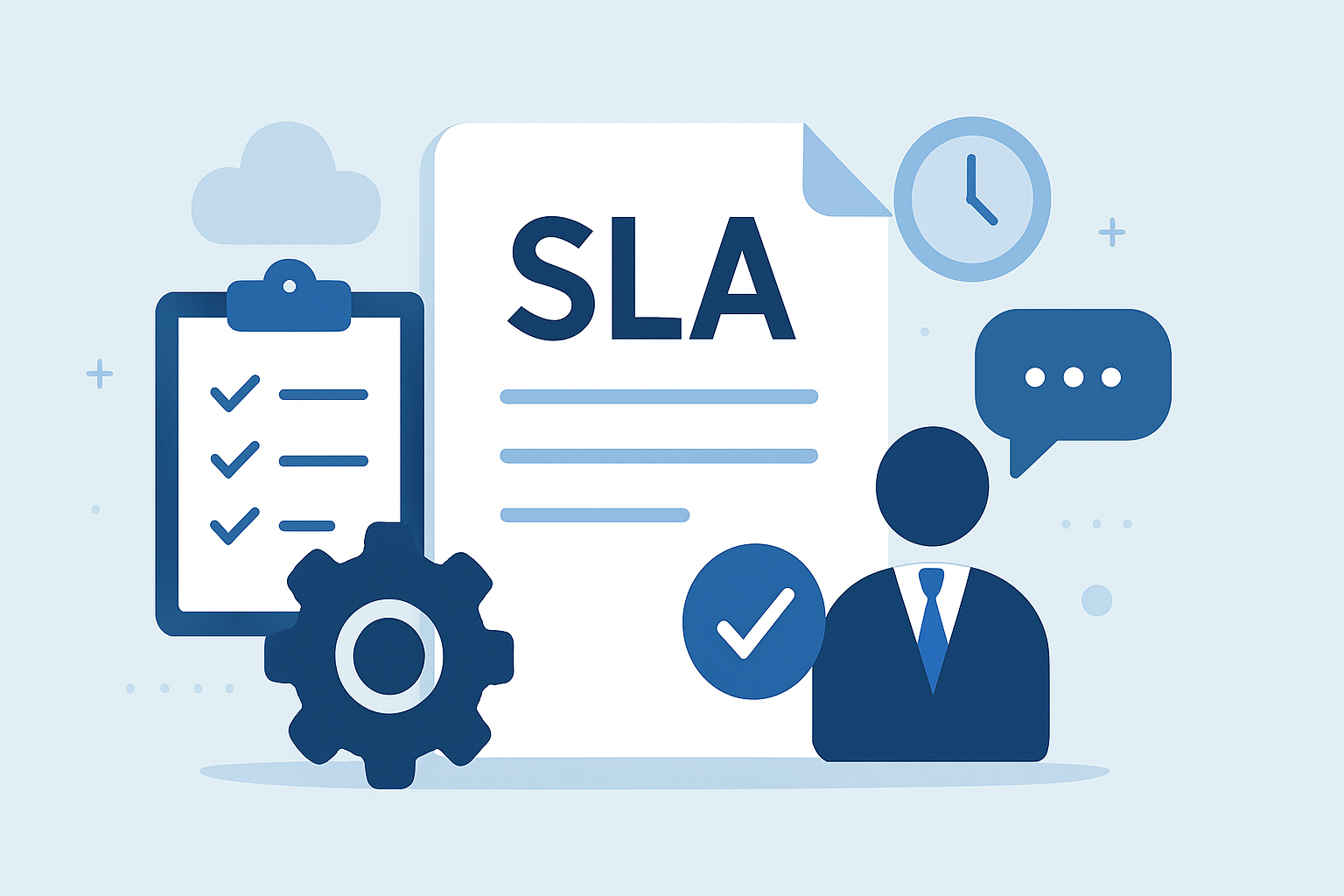
Service Level Agreements (SLAs) are critical components in the landscape of business operations, particularly in service-oriented industries. They serve as formal documents that outline the expectations and responsibilities between service providers and their clients. Understanding the key components of an SLA can help businesses ensure that they receive the quality of service they are paying for while also protecting the interests of the service provider.
What is an SLA?
An SLA is a contract that defines the level of service expected from a service provider. It includes specific metrics by which the service is measured, as well as the remedies or penalties in case the agreed-upon service levels are not met. SLAs are common in various sectors, including IT, telecommunications, and customer service.
Key Components of an SLA
When drafting or reviewing an SLA, businesses should ensure it includes the following key components:
- Service Description: Clearly outline the services being provided, including any limitations or exclusions.
- Performance Metrics: Define how the service performance will be measured. Common metrics include uptime, response time, and resolution time.
- Responsibilities: Specify the responsibilities of both the service provider and the client. This section should highlight what is expected from each party to ensure the smooth delivery of services.
- Monitoring and Reporting: Detail how service performance will be monitored and reported. This may include the frequency of reports and the metrics that will be tracked.
- Penalties and Remedies: Outline the consequences if the service provider fails to meet the agreed-upon service levels. This may include service credits, financial penalties, or the option to terminate the contract.
- Duration and Termination: Specify the duration of the SLA and the conditions under which either party can terminate the agreement.
- Dispute Resolution: Include a process for resolving disputes related to the SLA, which can help prevent conflicts from escalating.
Why SLAs Matter
SLAs are crucial for several reasons:
- Set Clear Expectations: They help set clear expectations between parties, reducing misunderstandings and potential conflicts.
- Accountability: SLAs hold service providers accountable for their performance, ensuring they meet the agreed standards.
- Improved Service Quality: With defined metrics and expectations, businesses can enjoy improved service quality and reliability.
- Enhanced Relationships: A well-structured SLA can foster a positive relationship between service providers and clients, built on trust and mutual respect.
Conclusion
Understanding the key components of an SLA is essential for any business that relies on external service providers. By ensuring that SLAs are comprehensive and clear, businesses can protect their interests while also promoting accountability and quality service from providers. Whether you are drafting a new SLA or reviewing an existing one, make sure to include these critical elements to foster a successful partnership.
Este artigo faz parte do nosso blog. Veja-o na lista e descubra mais.
Ver todos os artigosSimplifique o seu apoio ao cliente. Organize tickets, responda mais rápido e mantenha a equipa alinhada.
Agendar Demonstração