Understanding SLA: Key Metrics for Effective Support Management
Understanding SLA: Key Metrics for Effective Support Management
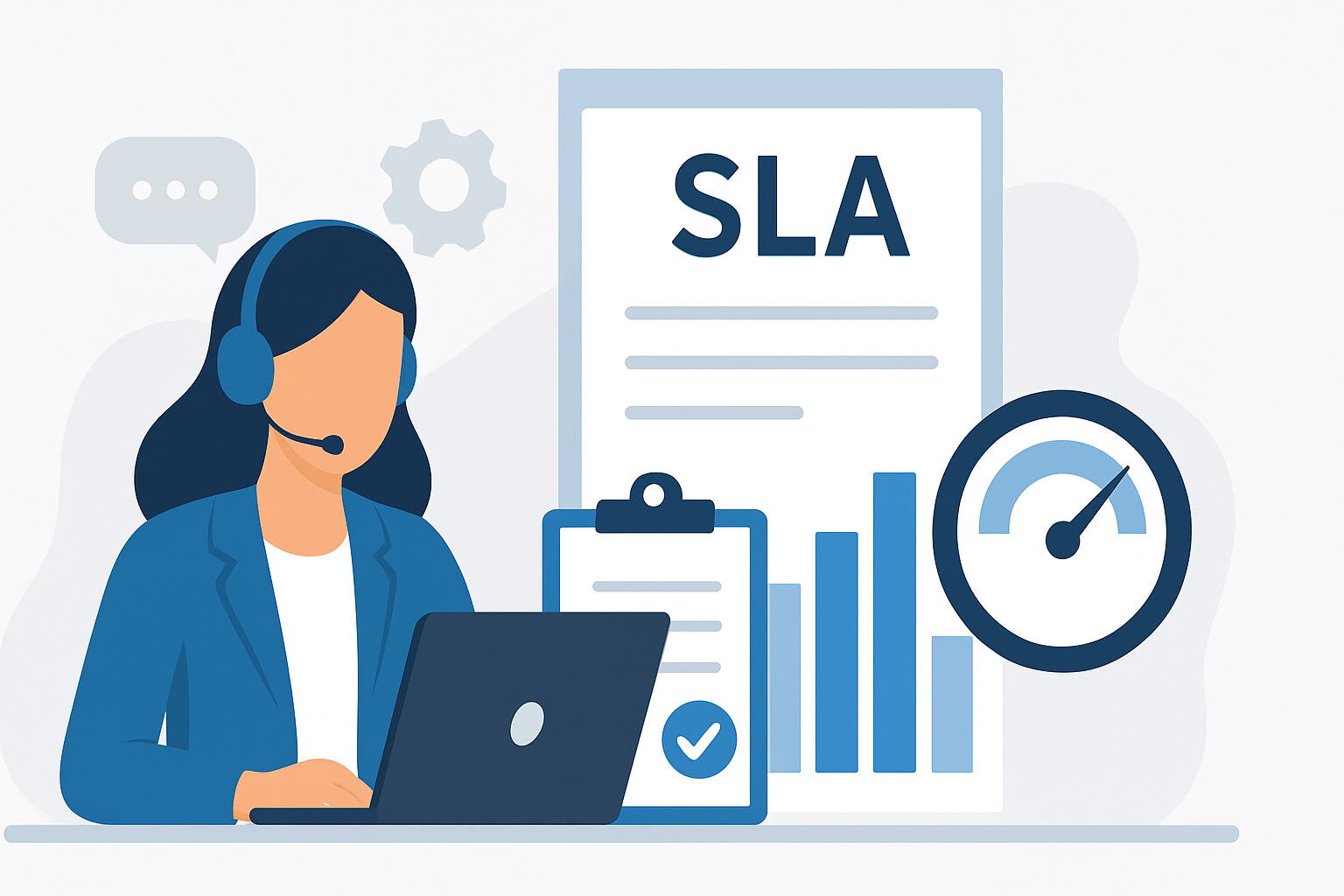
Service Level Agreements (SLAs) are critical components of effective support management in any organization. They set the expectations for service delivery and ensure that both the service provider and the customer are aligned in their objectives. Understanding the key metrics of SLAs is essential for maintaining high-quality service and achieving customer satisfaction. In this article, we will delve into the fundamental aspects of SLAs, their importance, and the key metrics that help in effective support management.
What is an SLA?
An SLA is a formal document that outlines the agreed-upon service levels between a service provider and a customer. It defines the specific services to be provided, the expected performance levels, and the responsibilities of both parties. SLAs can cover various aspects, including response times, resolution times, service availability, and more.
Importance of SLAs
SLAs play a vital role in support management for several reasons:
- Expectation Management: SLAs help in setting clear expectations for both service providers and customers, reducing the chances of misunderstandings.
- Performance Measurement: They provide a framework for measuring the performance of support services, helping organizations identify areas for improvement.
- Accountability: SLAs establish accountability, ensuring that both parties adhere to their commitments.
- Continuous Improvement: By analyzing SLA metrics, organizations can continuously improve their support services to better meet customer needs.
Key Metrics in SLA Management
To effectively manage SLAs, it is crucial to monitor specific metrics that reflect the performance of support services. Here are some key metrics to consider:
1. Response Time
Response time measures the time taken for the support team to acknowledge a customer’s request. It is essential for ensuring that customers feel valued and that their issues are being addressed promptly.
2. Resolution Time
Resolution time refers to the time taken to resolve a customer's issue from the moment it is reported. This metric is critical in assessing the efficiency of the support team and the overall customer experience.
3. First Contact Resolution (FCR)
FCR indicates the percentage of issues resolved during the first interaction with the customer. A high FCR rate is often associated with high customer satisfaction and efficient support processes.
4. Service Availability
This metric measures the percentage of time that the service is operational and available to customers. High service availability is crucial for ensuring that customers can access the support they need when they need it.
5. Customer Satisfaction Score (CSAT)
CSAT is a direct measure of customer satisfaction with the support they receive. It is typically gathered through surveys after a support interaction and provides valuable insights into the customer experience.
Best Practices for SLA Management
To ensure effective SLA management, consider implementing the following best practices:
- Regular Reviews: Conduct regular reviews of SLAs to ensure they remain relevant and aligned with business goals and customer expectations.
- Training and Development: Invest in training for support staff to improve their skills and enhance service delivery.
- Automation Tools: Utilize automation tools to streamline processes, track metrics, and improve response and resolution times.
- Feedback Mechanisms: Establish feedback mechanisms to gather insights from customers about their experiences and make necessary adjustments.
Conclusion
Understanding SLAs and their key metrics is fundamental for effective support management. By focusing on critical metrics such as response time, resolution time, FCR, service availability, and customer satisfaction, organizations can enhance their support services and build stronger relationships with their customers. Implementing best practices in SLA management will not only improve service delivery but also contribute to overall business success.
Este artigo faz parte do nosso blog. Veja-o na lista e descubra mais.
Ver todos os artigosSimplifique o seu apoio ao cliente. Organize tickets, responda mais rápido e mantenha a equipa alinhada.
Agendar Demonstração