Understanding SLA: Key Metrics for Measuring Support Efficiency
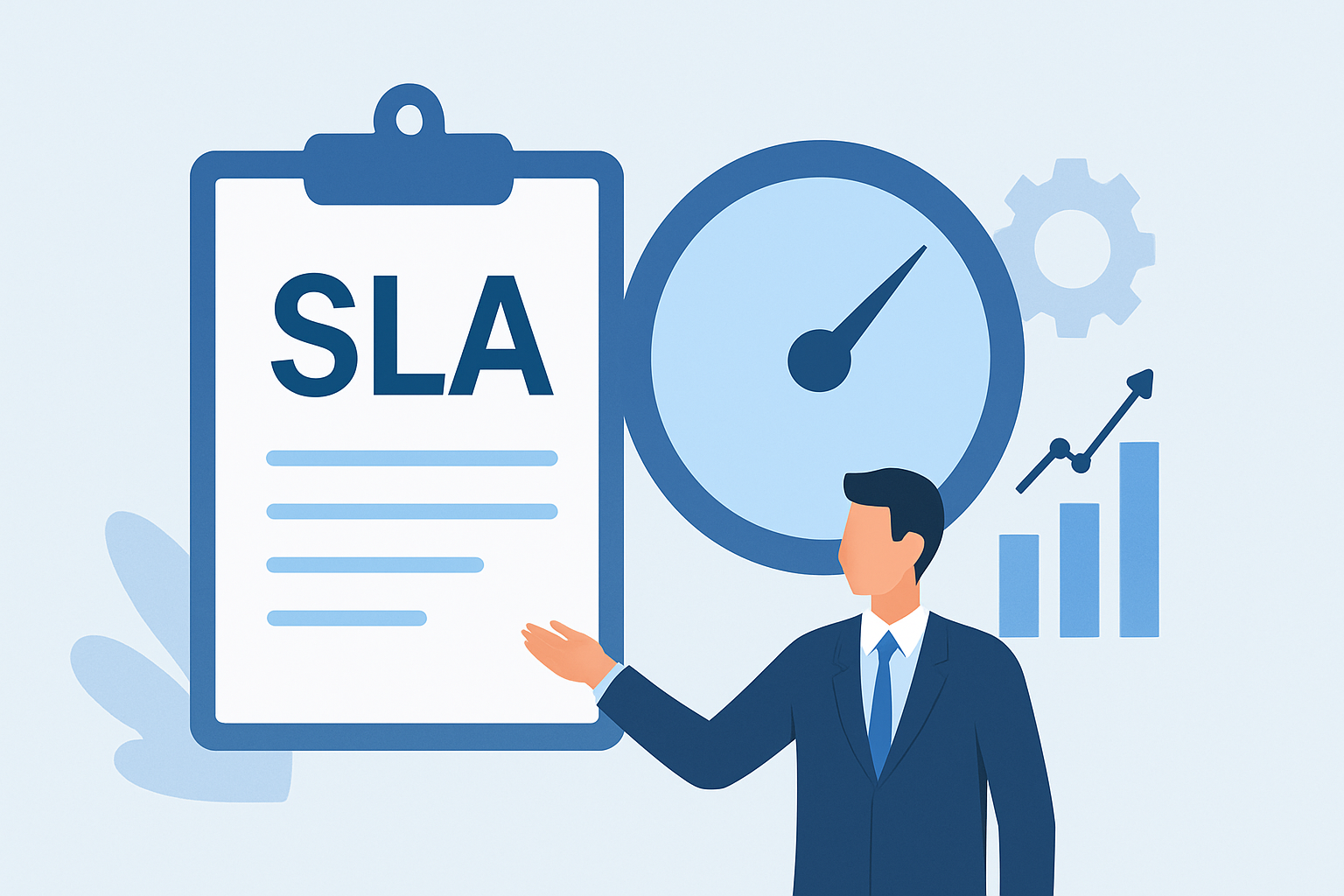
Understanding SLA: Key Metrics for Measuring Support Efficiency
Service Level Agreements (SLAs) are critical components in the realm of customer support and service management. They define the level of service expected from a service provider, outlining various metrics that help measure the efficiency of support operations. Understanding these metrics is essential for organizations aiming to enhance their customer experience and operational performance.
What is an SLA?
An SLA is a formal contract between a service provider and a customer that specifies the expected service standards. It includes details about the services provided, performance metrics, and the responsibilities of both parties. SLAs serve as a benchmark for measuring service quality and accountability, ensuring that customers receive the level of support they are promised.
Key Metrics in SLAs
When assessing the efficiency of support through SLAs, various key metrics come into play. Here are some of the most important ones:
- Response Time: This metric measures the time taken for a support team to respond to a customer inquiry. A shorter response time usually indicates a more efficient support team.
- Resolution Time: This refers to the total time taken to resolve a customer's issue. It is crucial for determining how quickly support teams can address and solve problems.
- First Contact Resolution (FCR): This metric tracks the percentage of issues resolved during the first interaction with the customer. A high FCR rate is often indicative of effective support processes.
- Customer Satisfaction Score (CSAT): This score reflects customer satisfaction regarding the support received. It is usually gathered through surveys and is vital for assessing overall service quality.
- Service Availability: This metric measures the uptime of the service being provided. High service availability is essential for customer trust and reliability.
- Ticket Volume: Tracking the number of support tickets generated over a specific period can help identify trends and workload for the support team.
Why SLAs Matter
SLAs are not just bureaucratic paperwork; they play a significant role in managing customer expectations and improving service delivery. Here are a few reasons why they matter:
- Accountability: SLAs hold service providers accountable for their performance, ensuring that they meet the agreed standards.
- Improved Communication: They facilitate clearer communication between the service provider and the customer, reducing misunderstandings.
- Performance Monitoring: SLAs provide a framework for monitoring performance, enabling continuous improvement in service delivery.
- Customer Trust: By adhering to SLAs, providers can build trust with their customers, leading to better customer retention and loyalty.
Implementing Effective SLAs
To implement effective SLAs, organizations should consider the following steps:
- Identify Customer Needs: Understand what your customers expect in terms of service and support.
- Define Clear Metrics: Establish measurable and achievable metrics that align with customer expectations.
- Regularly Review and Update: SLAs should be living documents that are reviewed and updated regularly based on performance data and customer feedback.
- Train Your Team: Ensure that your support team is well-trained on the SLA metrics and the importance of meeting them.
Conclusion
Understanding SLAs and their key metrics is fundamental for organizations aiming to optimize their support efficiency. By measuring response times, resolution rates, and customer satisfaction, businesses can continually improve their service offerings and foster stronger relationships with their customers. A well-defined SLA not only enhances operational performance but also elevates the overall customer experience.
Este artigo faz parte do nosso blog. Veja-o na lista e descubra mais.
Ver todos os artigosSimplifique o seu apoio ao cliente. Organize tickets, responda mais rápido e mantenha a equipa alinhada.
Agendar Demonstração