Understanding SLA: Key Metrics for Measuring Support Success
Understanding SLA: Key Metrics for Measuring Support Success
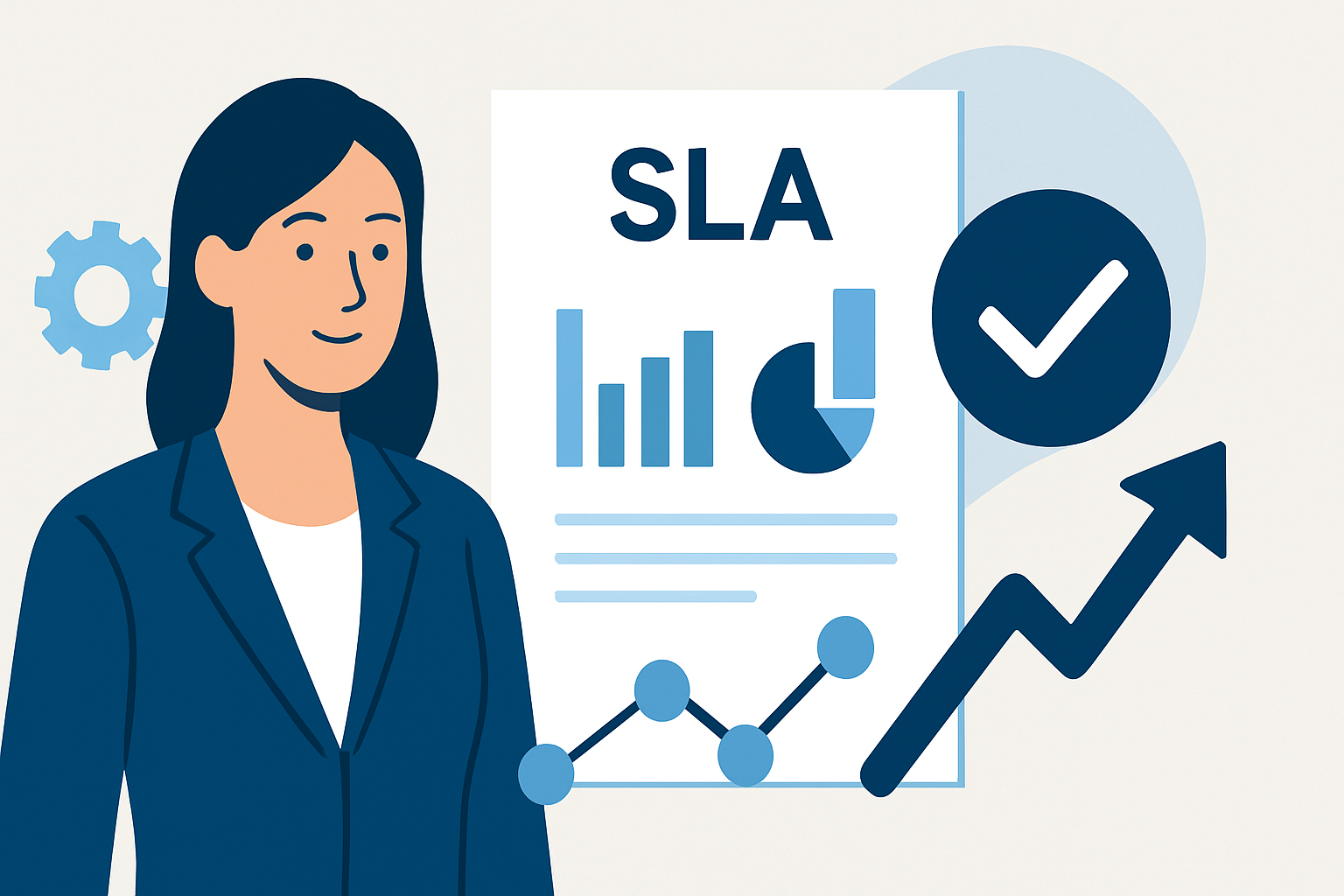
Service Level Agreements (SLAs) are critical components in the realm of customer support and service management. They define the expected level of service between a provider and a customer, ensuring transparency and accountability. Understanding SLAs and the metrics involved is essential for measuring support success effectively. In this article, we will explore key metrics that can help businesses evaluate their support performance.
What is an SLA?
An SLA is a formal agreement that outlines the expected service standards between a service provider and its clients. It typically includes details about response times, resolution times, and the specific services covered. SLAs are crucial for setting clear expectations and ensuring that both parties understand their responsibilities.
Key Metrics for Measuring SLA Performance
To assess the effectiveness of SLAs, organizations should focus on several key metrics:
- Response Time: This metric measures the time taken to acknowledge a customer request after it has been received. A quick response time is vital for customer satisfaction, as it shows that the support team is attentive and ready to assist.
- Resolution Time: This refers to the total time taken to resolve a customer issue from the moment it is reported. Keeping resolution times within agreed limits is crucial for maintaining customer trust and satisfaction.
- First Contact Resolution Rate (FCR): This metric indicates the percentage of issues resolved during the first interaction with the customer. A high FCR rate suggests efficient support processes and contributes to overall customer satisfaction.
- Customer Satisfaction Score (CSAT): CSAT measures customer satisfaction with the support received. It is typically gathered through surveys sent after a support interaction. High CSAT scores reflect the effectiveness of the support team.
- Service Availability: This metric assesses the uptime of the services provided. High service availability is essential for minimizing disruptions and ensuring customers can access support when needed.
- Ticket Volume: Monitoring the number of support tickets received can provide insights into workload and resource allocation. Understanding ticket volume helps in forecasting staffing needs and improving service delivery.
Why Monitoring SLA Metrics is Important
Regularly monitoring SLA metrics is vital for several reasons:
- Identifying Areas for Improvement: Analyzing SLA metrics can reveal trends and patterns, helping organizations identify areas where performance can be enhanced.
- Enhancing Customer Satisfaction: By focusing on metrics that impact customer experience, businesses can make informed decisions that lead to higher customer satisfaction.
- Accountability: SLAs hold both service providers and customers accountable, ensuring that expectations are met and fostering a sense of trust.
- Resource Optimization: Monitoring metrics allows businesses to optimize their resources, ensuring that support teams are adequately staffed and trained to meet customer needs.
Best Practices for Managing SLAs
To effectively manage SLAs and the associated metrics, consider the following best practices:
- Set Realistic Expectations: Ensure that the SLA terms are achievable and reflect the capabilities of your support team.
- Regularly Review and Update SLAs: As business needs and customer expectations change, SLAs should be reviewed and updated accordingly.
- Train Your Support Team: Providing ongoing training ensures that support staff are equipped to meet SLA requirements effectively.
- Utilize Technology: Implementing support software can help track and analyze SLA metrics efficiently, providing valuable insights into performance.
Conclusion
Understanding and monitoring SLA metrics is essential for measuring support success. By focusing on key performance indicators such as response time, resolution time, and customer satisfaction, organizations can enhance their support services and foster stronger customer relationships. Regularly reviewing SLA performance not only helps in meeting customer expectations but also drives continuous improvement within the support team.
Este artigo faz parte do nosso blog. Veja-o na lista e descubra mais.
Ver todos os artigosSimplifique o seu apoio ao cliente. Organize tickets, responda mais rápido e mantenha a equipa alinhada.
Agendar Demonstração