Understanding SLA: Key Metrics That Define Support Success
Understanding SLA: Key Metrics That Define Support Success
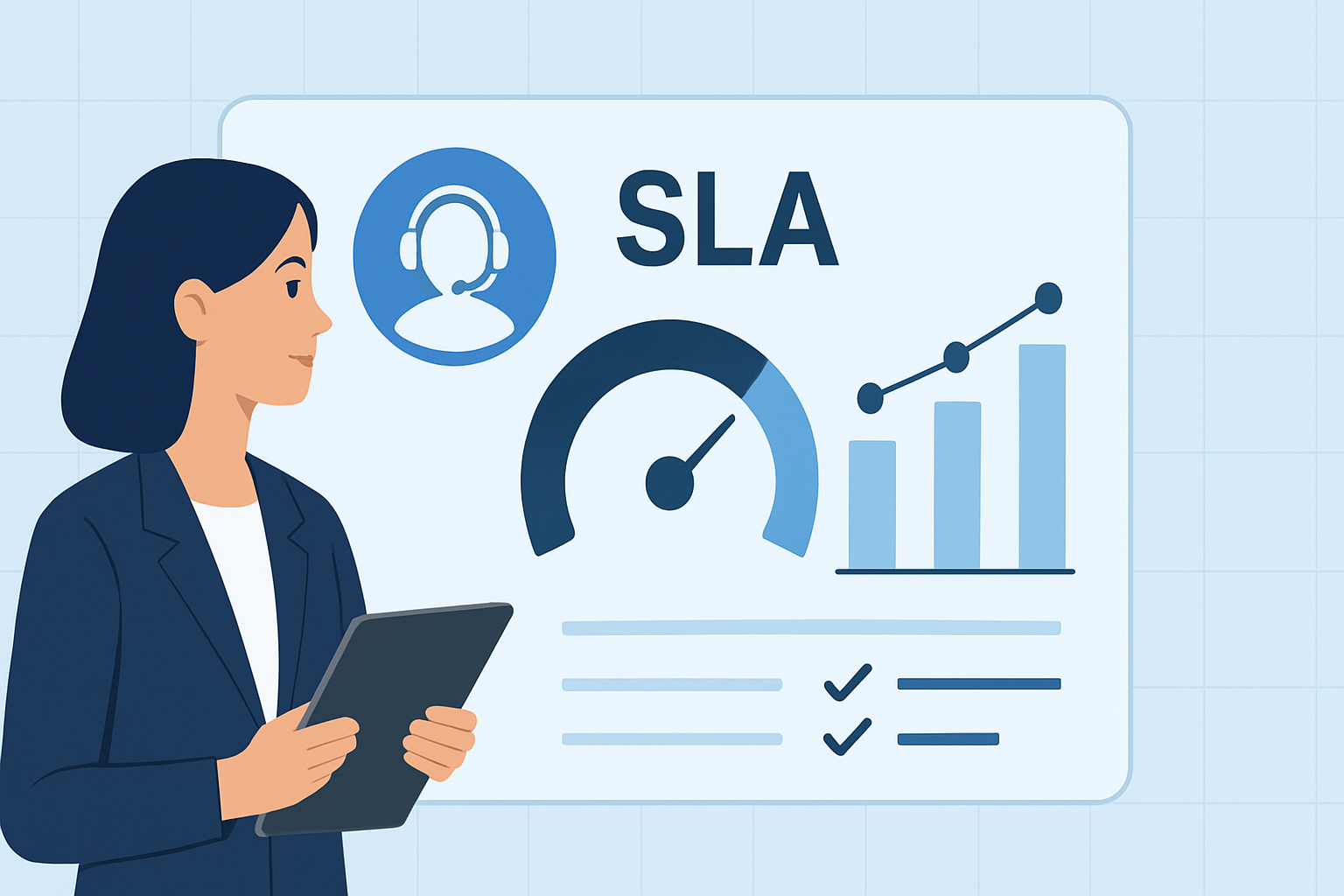
Service Level Agreements (SLAs) are essential components of the service industry, particularly in IT and customer support. They establish expectations between service providers and customers, ensuring that both parties understand the level of service to be delivered. This article will explore the key metrics that define support success within the framework of SLAs, helping organizations to refine their service delivery and enhance customer satisfaction.
What is an SLA?
An SLA is a formal document that outlines the expected service levels between a provider and its customers. It typically includes specific metrics, responsibilities, and the consequences of failing to meet the agreed-upon standards. By defining these parameters, SLAs help to create transparency and accountability in service delivery.
Key Metrics in SLAs
Several metrics are critical for measuring the success of support services. Here are some of the most important ones:
- Response Time: This metric measures the time taken for a support team to respond to a customer's request or issue. A shorter response time indicates a more efficient support process and is crucial for customer satisfaction.
- Resolution Time: This refers to the total time taken to resolve a customer's issue from the moment it is reported to when it is fully resolved. Quick resolution times are essential for maintaining trust and satisfaction among customers.
- First Contact Resolution (FCR): FCR measures the percentage of issues resolved during the first interaction with the customer. A high FCR rate signifies effective support processes and reduces the need for follow-up interactions.
- Customer Satisfaction Score (CSAT): This metric gauges customer satisfaction after an interaction with the support team. It is typically measured through surveys and can provide valuable insights into the quality of service provided.
- Service Availability: This metric assesses the uptime of the service provided. High availability is critical, especially for businesses that rely on continuous service delivery.
- Escalation Rate: This measures the percentage of issues that need to be escalated to higher levels of support. A low escalation rate indicates that front-line support staff are well-equipped to handle most issues.
Why Are These Metrics Important?
Understanding and tracking these metrics is vital for several reasons:
- Improved Accountability: Clearly defined metrics hold support teams accountable for their performance, enhancing overall service quality.
- Enhanced Customer Experience: By focusing on metrics like response time and resolution time, organizations can significantly improve the customer experience.
- Data-Driven Decisions: Metrics provide valuable data that can inform decision-making and help identify areas for improvement within the support process.
- Benchmarking Performance: Tracking these metrics allows organizations to benchmark their performance against industry standards or competitors, facilitating continuous improvement.
Conclusion
SLAs are crucial for defining the expectations of support services, and understanding the key metrics that underpin them is essential for achieving success. By focusing on response time, resolution time, FCR, CSAT, service availability, and escalation rates, organizations can enhance their support processes, improve customer satisfaction, and ultimately drive business success. Regularly reviewing these metrics will ensure that support teams remain aligned with customer needs and industry standards.
In the ever-evolving landscape of customer service, a well-defined SLA, supported by relevant metrics, can be a powerful tool for fostering trust and loyalty among customers.
Este artigo faz parte do nosso blog. Veja-o na lista e descubra mais.
Ver todos os artigosSimplifique o seu apoio ao cliente. Organize tickets, responda mais rápido e mantenha a equipa alinhada.
Agendar Demonstração