Understanding SLA: The Backbone of Effective Customer Support
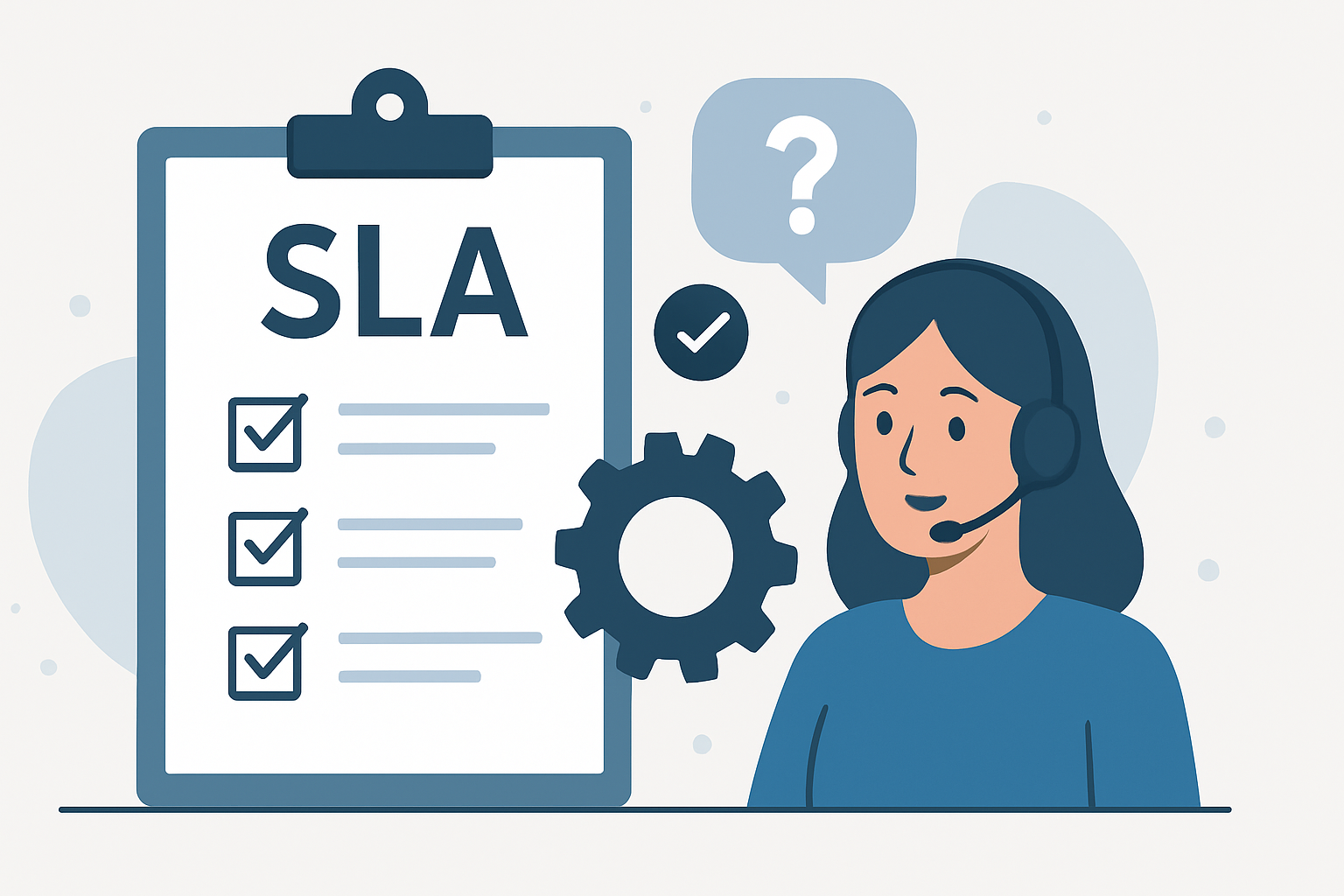
Understanding SLA: The Backbone of Effective Customer Support
In today's fast-paced business environment, customer support plays a crucial role in maintaining customer satisfaction and loyalty. One of the key components that ensure effective customer support is the Service Level Agreement (SLA). This article delves into what an SLA is, its importance, and how it can enhance customer support operations.
What is a Service Level Agreement (SLA)?
A Service Level Agreement (SLA) is a formal document that outlines the expected level of service between a service provider and a customer. It sets clear expectations regarding the quality, availability, and responsibilities of the service being provided. SLAs are not only applicable to IT services but can also be utilized across various industries to define service expectations.
Key Components of an SLA
- Service Description: A detailed description of the services provided, including any relevant specifications.
- Performance Metrics: Specific metrics that will be used to measure the service performance, such as response times, resolution times, and availability.
- Responsibilities: Clearly defined responsibilities of both the service provider and the customer, including any actions required from both parties.
- Monitoring and Reporting: Procedures for monitoring service performance and reporting results to stakeholders.
- Penalties and Remedies: Consequences for failing to meet the agreed-upon service levels, including potential penalties or remedies for the customer.
Importance of SLAs in Customer Support
SLAs are essential for several reasons:
- Setting Expectations: SLAs help set clear expectations for both customers and service providers, reducing misunderstandings and potential disputes.
- Measuring Performance: By establishing specific metrics, SLAs allow organizations to measure and evaluate the performance of their customer support teams.
- Improving Accountability: With defined responsibilities and penalties, SLAs encourage accountability among team members, leading to better service delivery.
- Enhancing Customer Trust: Customers are more likely to trust a service provider that has a transparent and well-defined SLA in place, as it demonstrates a commitment to quality service.
How to Create an Effective SLA
Creating an effective SLA involves several steps:
- Identify Stakeholders: Involve all relevant stakeholders, including customer support teams, management, and customers, in the SLA development process.
- Define Services: Clearly outline the services being provided and any limitations or exclusions.
- Establish Metrics: Select appropriate performance metrics that align with customer needs and business goals.
- Draft the Agreement: Write a draft of the SLA that includes all components and is easy to understand.
- Review and Revise: Review the draft with stakeholders, gather feedback, and make necessary revisions.
- Implement and Monitor: Once finalized, implement the SLA and continuously monitor performance against the established metrics.
Conclusion
In conclusion, a well-defined Service Level Agreement (SLA) is a vital tool for any organization aiming to provide effective customer support. By setting clear expectations, measuring performance, and enhancing accountability, SLAs can significantly improve the quality of service provided to customers. Investing time and resources into creating and maintaining an SLA can lead to increased customer satisfaction and loyalty, ultimately benefiting the organization's bottom line.
Este artigo faz parte do nosso blog. Veja-o na lista e descubra mais.
Ver todos os artigosSimplifique o seu apoio ao cliente. Organize tickets, responda mais rápido e mantenha a equipa alinhada.