Understanding SLA: The Backbone of Effective Support Metrics
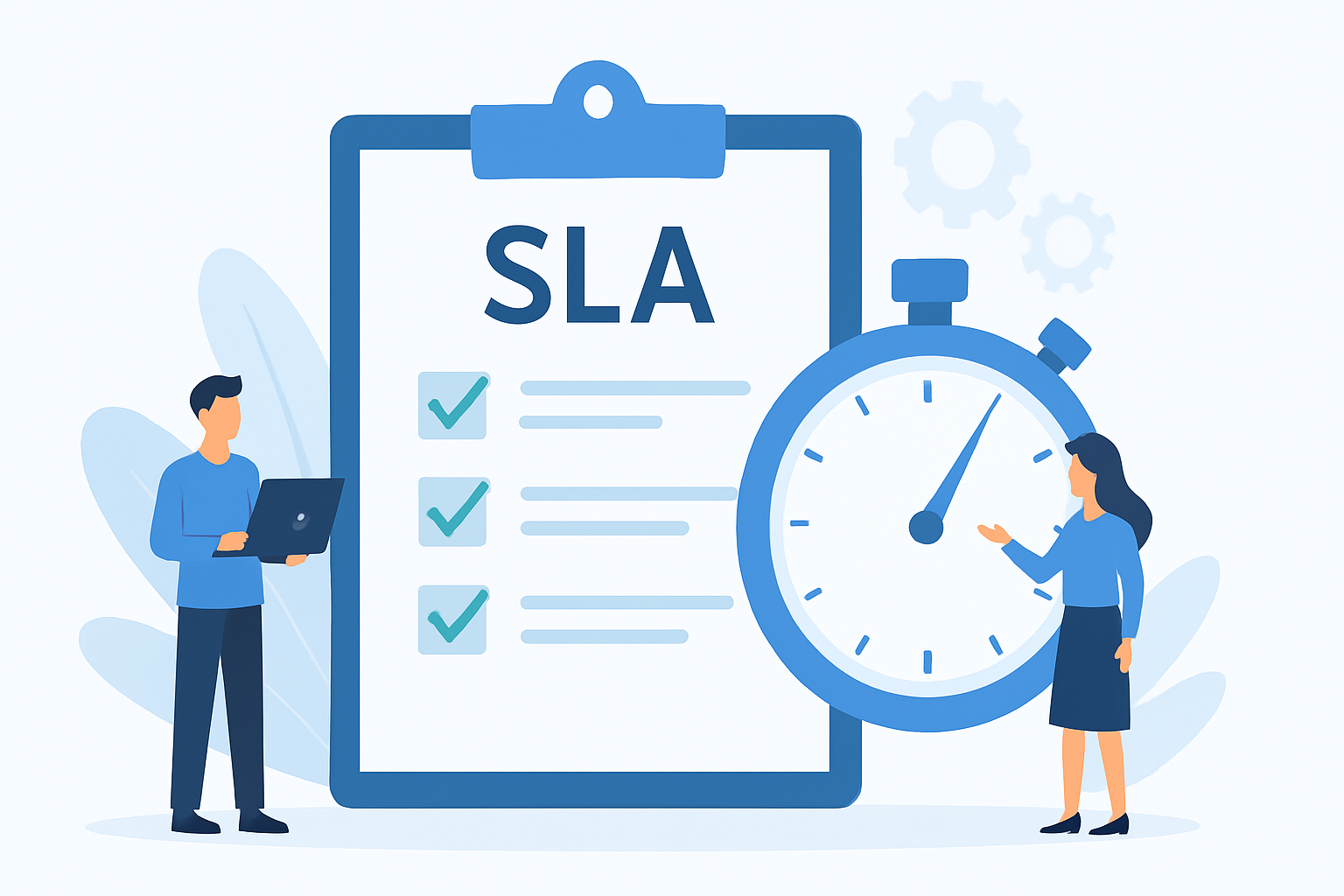
Understanding SLA: The Backbone of Effective Support Metrics
In today’s fast-paced business environment, providing exceptional customer support is crucial for maintaining a competitive edge. One of the fundamental components of effective support is the Service Level Agreement (SLA). This article will explore what SLAs are, why they are important, and how they can be effectively implemented to enhance support metrics.
What is an SLA?
A Service Level Agreement (SLA) is a formal document that outlines the expected level of service between a service provider and a customer. It defines specific metrics, responsibilities, and expectations, ensuring both parties understand their obligations. SLAs are commonly used in IT services, telecommunications, and customer support sectors.
Importance of SLAs
SLAs serve several pivotal functions that contribute to the overall effectiveness of support metrics:
- Expectation Management: SLAs set clear expectations for service delivery, helping customers understand what they can expect in terms of response times and resolution times.
- Performance Measurement: They provide measurable criteria that can be used to assess the performance of the support team, allowing for continuous improvement.
- Accountability: By clearly defining roles and responsibilities, SLAs hold both the service provider and the customer accountable for their commitments.
- Trust Building: Meeting SLA commitments helps build trust between the service provider and the customer, fostering a positive long-term relationship.
Key Components of an SLA
When creating an SLA, it is essential to include several key components to ensure clarity and effectiveness:
- Service Scope: Define the services covered under the SLA, including any exclusions.
- Performance Metrics: Establish metrics such as response time, resolution time, and availability that will be monitored.
- Responsibilities: Outline the responsibilities of both the service provider and the customer.
- Reporting and Review: Specify how performance will be reported and how often the SLA will be reviewed and updated.
- Penalties and Remedies: Include provisions for penalties if the service provider fails to meet the agreed-upon metrics.
Implementing an SLA Effectively
To maximize the benefits of an SLA, organizations should follow these steps:
- Engage Stakeholders: Involve key stakeholders from both sides during the SLA creation process to ensure that all needs and expectations are addressed.
- Customize SLAs: Tailor SLAs to fit the specific needs of the business and the customer, avoiding a one-size-fits-all approach.
- Regular Monitoring: Continuously monitor SLA performance against the established metrics to identify areas for improvement.
- Encourage Feedback: Solicit feedback from customers and support teams to refine and enhance the SLA over time.
Conclusion
Understanding and implementing SLAs is essential for any organization that aims to provide effective customer support. By establishing clear expectations, measuring performance, and fostering accountability, SLAs can significantly enhance support metrics. As businesses continue to evolve, SLAs will remain a vital tool in ensuring successful service delivery and customer satisfaction.
Este artigo faz parte do nosso blog. Veja-o na lista e descubra mais.
Ver todos os artigosSimplifique o seu apoio ao cliente. Organize tickets, responda mais rápido e mantenha a equipa alinhada.
Agendar Demonstração