Understanding SLA: The Backbone of Exceptional Support Services
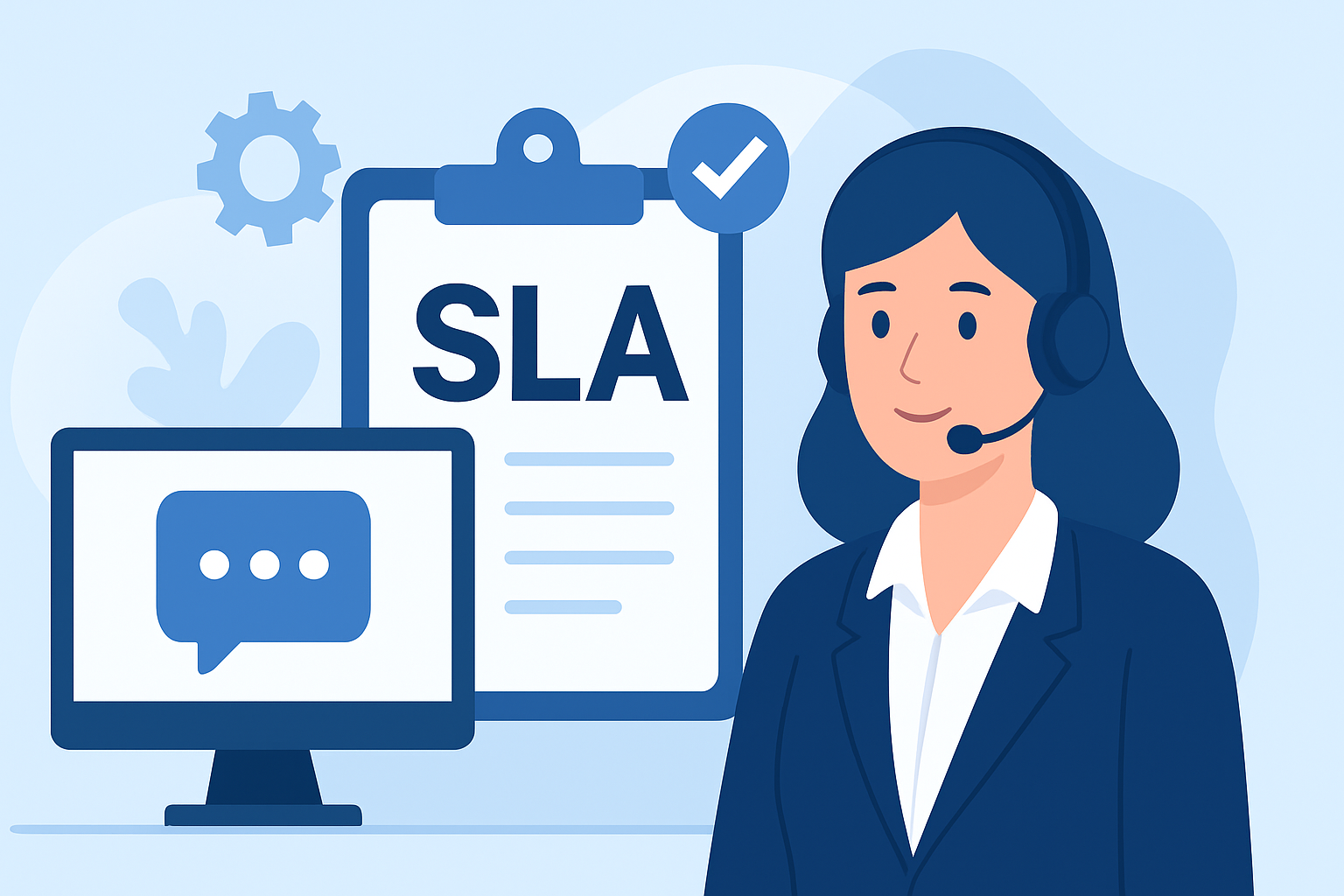
Understanding SLA: The Backbone of Exceptional Support Services
In today's fast-paced digital environment, businesses rely heavily on technology to deliver exceptional products and services. One of the critical components that underpin effective technical support and service delivery is the Service Level Agreement (SLA). This article will explore what SLAs are, their importance, and how they can enhance customer satisfaction and operational efficiency.
What is a Service Level Agreement (SLA)?
A Service Level Agreement (SLA) is a formal document that outlines the expected level of service between a service provider and a customer. It defines specific metrics, responsibilities, and expectations regarding the quality and availability of services. SLAs are commonly utilized in various sectors, including IT, telecommunications, and customer support.
Key Components of an SLA
Understanding the key components of an SLA is essential for both service providers and customers. Here are the primary elements typically included:
- Service Description: A detailed overview of the services being provided.
- Performance Metrics: Specific metrics used to measure the performance of the service, such as response time, resolution time, and uptime.
- Responsibilities: Clearly defined roles and responsibilities of both the service provider and the customer.
- Reporting and Monitoring: Procedures for tracking performance and reporting on SLA compliance.
- Penalties and Remedies: Consequences for failing to meet SLA terms, including service credits or other compensations.
The Importance of SLAs
SLAs play a vital role in the relationship between service providers and customers. Here are several reasons why they are crucial:
- Clarity and Transparency: SLAs provide clear expectations for both parties, reducing misunderstandings and fostering a transparent relationship.
- Performance Measurement: By defining specific metrics, SLAs allow for the effective measurement of service performance, enabling both parties to assess whether service levels are being met.
- Accountability: SLAs hold service providers accountable for their performance, ensuring that they deliver the promised level of service.
- Improved Customer Satisfaction: When customers know what to expect and see that their service provider is committed to meeting those expectations, it leads to higher levels of satisfaction and trust.
Best Practices for Creating Effective SLAs
Creating an effective SLA requires careful consideration and collaboration between the service provider and the customer. Here are some best practices to keep in mind:
- Involve Stakeholders: Engage all relevant stakeholders in the SLA creation process to ensure that the agreement meets the needs of both parties.
- Define Clear Metrics: Establish clear, measurable metrics that are relevant to the services being provided.
- Regular Reviews: Schedule regular reviews of the SLA to ensure it remains relevant and reflects any changes in service or customer needs.
- Be Realistic: Set achievable targets that can be realistically met by the service provider to avoid frustration and disappointment.
Conclusion
In conclusion, Service Level Agreements (SLAs) are a fundamental aspect of delivering exceptional support services. They provide a framework for accountability, transparency, and performance measurement, ultimately leading to improved customer satisfaction. By understanding the components and importance of SLAs, businesses can foster stronger relationships with their customers and enhance their service delivery.
Este artigo faz parte do nosso blog. Veja-o na lista e descubra mais.
Ver todos os artigosSimplifique o seu apoio ao cliente. Organize tickets, responda mais rápido e mantenha a equipa alinhada.