Understanding SLA: The Cornerstone of Effective Support Metrics
Understanding SLA: The Cornerstone of Effective Support Metrics
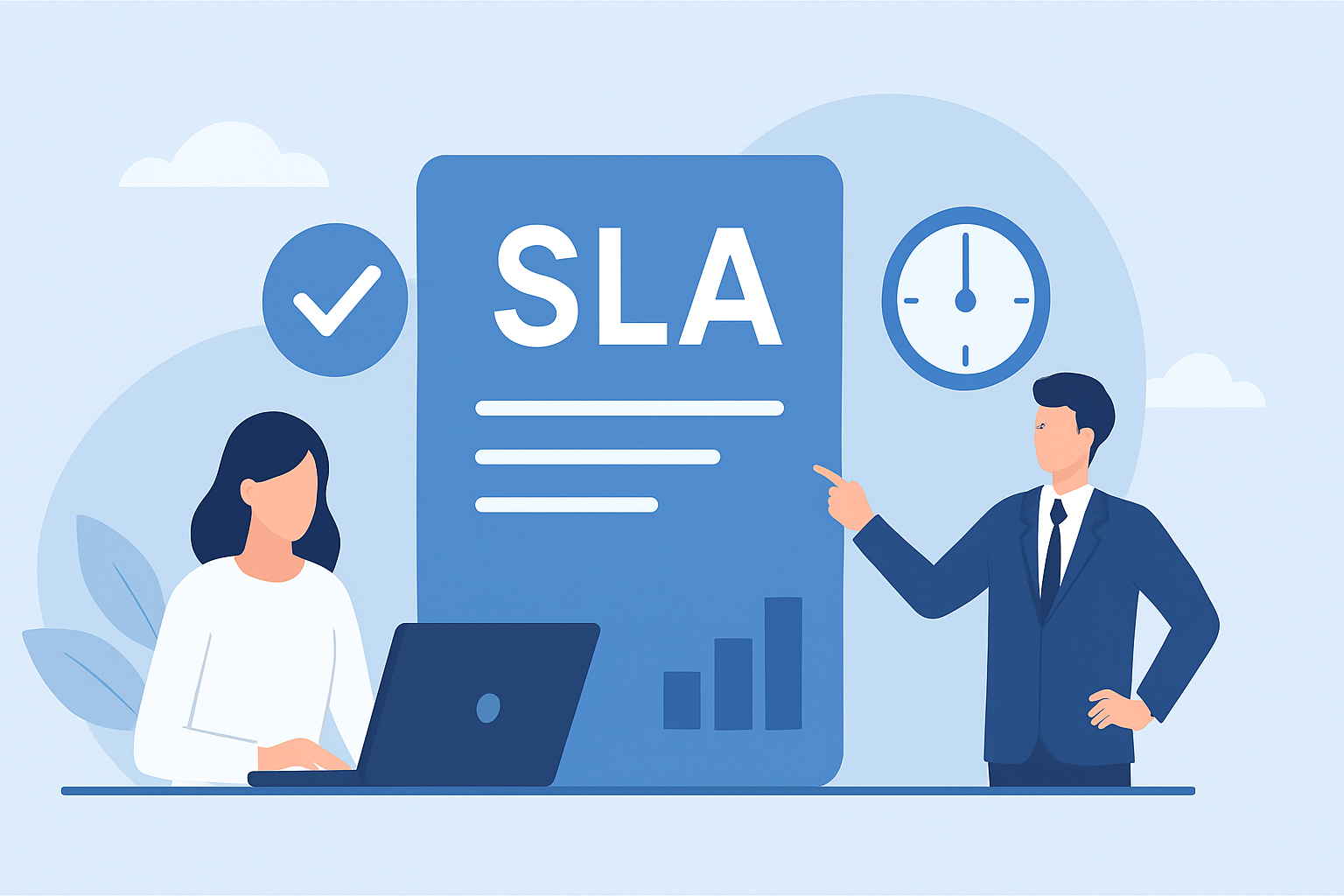
Service Level Agreements (SLAs) are crucial components in the realm of customer support and service management. They serve as a formalized contract between service providers and customers, outlining the expected level of service, responsibilities, and the metrics by which that service is measured. In this article, we will delve deep into the concept of SLAs, their importance, and how they can be effectively utilized to enhance support metrics.
What is an SLA?
An SLA is a documented agreement that defines the service expectations between a service provider and its clients. It specifies the services offered, the expected performance levels, and the responsibilities of both parties. Typically, SLAs cover various aspects such as:
- Response times
- Resolution times
- Availability and uptime
- Performance metrics
- Escalation procedures
The Importance of SLAs
SLAs play a pivotal role in establishing clear expectations and maintaining a healthy relationship between service providers and customers. Here are some key reasons why SLAs are important:
- Clarity and Transparency: SLAs provide clarity on what customers can expect from the service provider, reducing misunderstandings and setting realistic expectations.
- Performance Measurement: By defining specific metrics, SLAs enable both parties to measure performance accurately and objectively.
- Accountability: SLAs hold service providers accountable for their performance, ensuring that they meet the agreed-upon standards.
- Continuous Improvement: Regularly reviewing SLAs can help identify areas for improvement, promoting a culture of continuous service enhancement.
Key Components of an SLA
To create an effective SLA, several key components should be included:
- Service Description: A detailed description of the services provided.
- Performance Metrics: Clearly defined metrics such as response time, resolution time, and service availability.
- Responsibilities: Responsibilities of both the service provider and the customer.
- Monitoring and Reporting: Procedures for monitoring performance and reporting results.
- Penalties and Remedies: Consequences for failing to meet agreed-upon service levels.
How to Implement and Monitor SLAs
Implementing and monitoring SLAs effectively involves several steps:
- Define Clear Objectives: Identify what you want to achieve with the SLA and ensure that the objectives align with business goals.
- Involve Stakeholders: Engage both internal and external stakeholders in the SLA creation process to ensure that all perspectives are considered.
- Regular Review: Schedule regular reviews of the SLA to assess performance against the metrics and make necessary adjustments.
- Use Technology: Leverage tools and software to track performance metrics and automate reporting processes.
Conclusion
In conclusion, understanding and effectively implementing SLAs is crucial for any organization aiming to provide exceptional support services. By establishing clear expectations, measuring performance accurately, and fostering accountability, SLAs can significantly enhance the quality of service delivery. Whether you are a service provider or a customer, prioritizing SLAs will lead to improved satisfaction and stronger business relationships.
For more information on creating and managing SLAs, consider reaching out to industry experts or consulting resources that specialize in service management.
Este artigo faz parte do nosso blog. Veja-o na lista e descubra mais.
Ver todos os artigosSimplifique o seu apoio ao cliente. Organize tickets, responda mais rápido e mantenha a equipa alinhada.
Agendar Demonstração