Understanding SLA: The Key Components of Effective Support Metrics
Understanding SLA: The Key Components of Effective Support Metrics
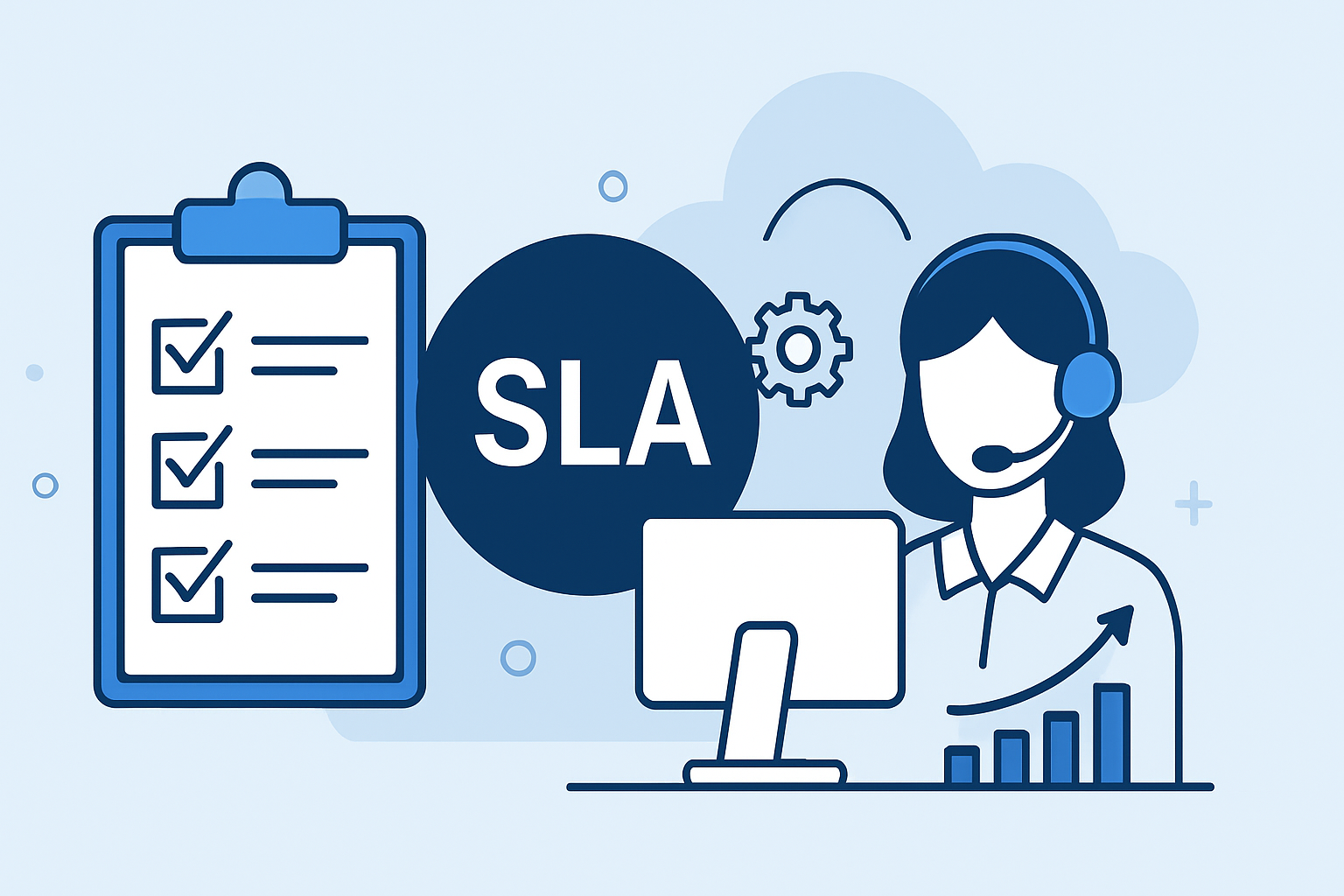
Service Level Agreements (SLAs) are essential tools for organizations seeking to establish clear expectations and metrics for support services. They serve as formal contracts between service providers and clients, outlining the standards and responsibilities expected from both parties. This article explores the key components of effective support metrics within SLAs, ensuring that both service providers and customers benefit from a well-defined agreement.
What is an SLA?
An SLA is a document that defines the level of service expected from a service provider. It includes specific metrics, responsibilities, and expectations that help to measure service quality and performance. SLAs are commonly used in various industries, including IT, telecommunications, and customer service, to ensure that service delivery meets agreed-upon standards.
Key Components of an SLA
To create an effective SLA, it is crucial to include the following key components:
- Service Description: A clear outline of the services being provided, including any exclusions or limitations.
- Performance Metrics: Specific metrics that will be used to measure service performance, such as response time, resolution time, and uptime percentages.
- Responsibilities: Detailed responsibilities of both the service provider and the client to ensure accountability.
- Reporting and Monitoring: Procedures for monitoring service performance and reporting results to stakeholders.
- Penalties and Remedies: Clearly defined consequences for failing to meet SLA standards, including financial penalties or service credits.
- Review and Revision: A schedule for regularly reviewing and updating the SLA to reflect changes in service needs or expectations.
Importance of Performance Metrics
Performance metrics are at the heart of any SLA. They provide measurable standards that allow both parties to assess service quality and effectiveness. Some common performance metrics include:
- Response Time: The time taken to acknowledge a support request.
- Resolution Time: The time taken to resolve a support issue.
- First Contact Resolution Rate: The percentage of issues resolved on the first contact with the customer.
- Customer Satisfaction Score: A measure of customer satisfaction with the support received.
By establishing clear and relevant performance metrics, organizations can effectively monitor service delivery and ensure that they meet customer expectations.
Best Practices for Creating an SLA
To develop an effective SLA, consider the following best practices:
- Involve Stakeholders: Engage all relevant stakeholders in the SLA creation process to ensure that their needs and expectations are considered.
- Be Clear and Concise: Use clear language and avoid jargon to ensure that all parties understand the terms of the agreement.
- Set Realistic Goals: Establish achievable performance metrics that reflect the capabilities of the service provider.
- Communicate Regularly: Maintain open lines of communication between the service provider and the client to address any concerns or changes in expectations.
- Review and Update: Regularly review the SLA to ensure it remains relevant and effective in meeting the needs of both parties.
Conclusion
Understanding and implementing effective SLAs is crucial for organizations aiming to enhance their support services. By focusing on key components such as service descriptions, performance metrics, and clear responsibilities, companies can create SLAs that foster accountability and improve customer satisfaction. Regularly reviewing and updating these agreements ensures that they remain aligned with business objectives and customer expectations, ultimately leading to a more successful partnership between service providers and clients.
Este artigo faz parte do nosso blog. Veja-o na lista e descubra mais.
Ver todos os artigosSimplifique o seu apoio ao cliente. Organize tickets, responda mais rápido e mantenha a equipa alinhada.
Agendar Demonstração