Understanding SLA: The Key Metrics for Effective Support Performance
Understanding SLA: The Key Metrics for Effective Support Performance
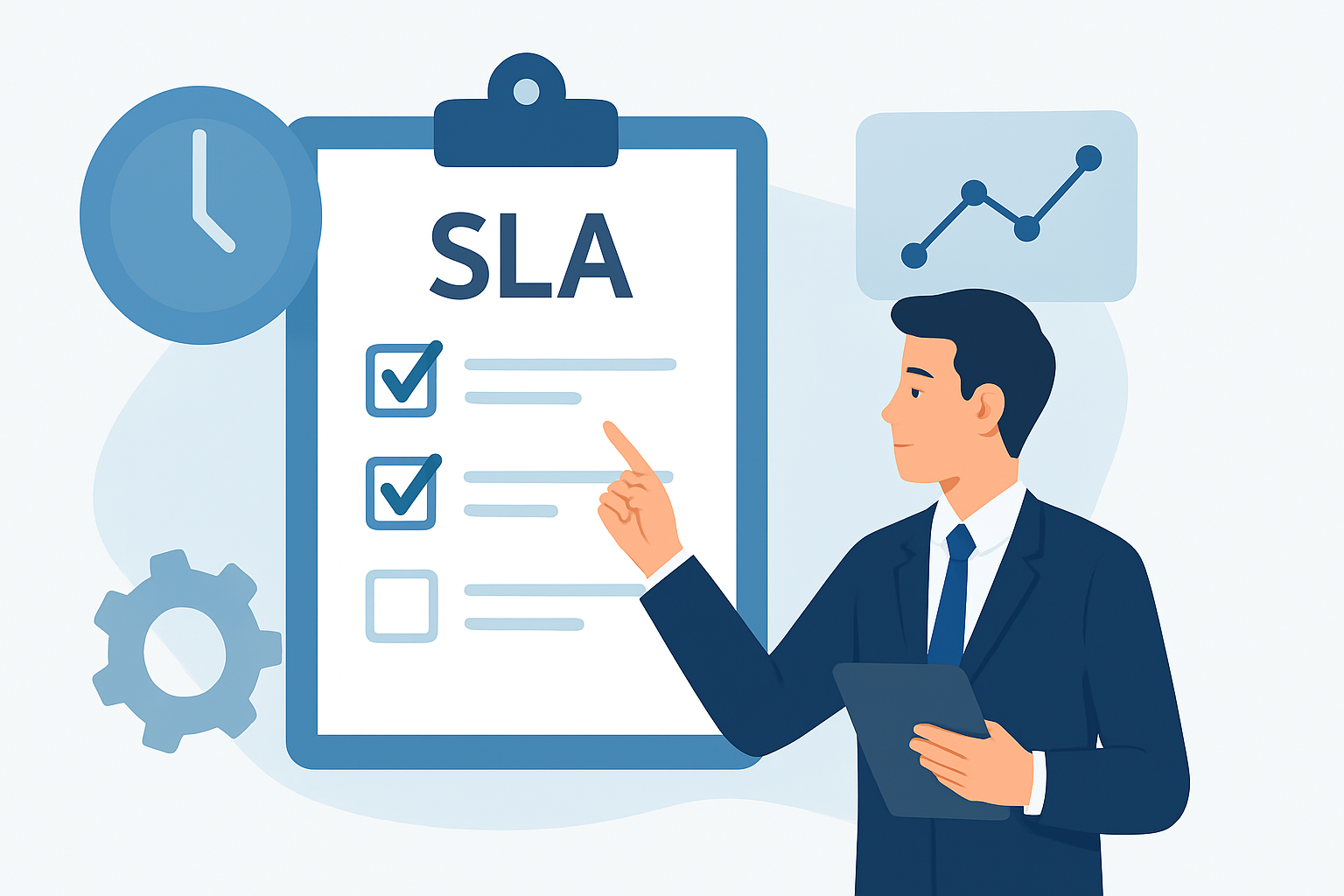
In today's fast-paced business environment, maintaining exceptional customer service is crucial for success. One of the most effective ways to ensure that your support team meets customer expectations is through Service Level Agreements (SLAs). SLAs define the expected level of service between a service provider and a customer, establishing clear metrics for performance and accountability. This article will explore the key metrics associated with SLAs and their importance in enhancing support performance.
What is an SLA?
A Service Level Agreement (SLA) is a formal document that outlines the expected service levels between a provider and a client. It serves as a contract that specifies the services to be delivered, the quality of those services, and the responsibilities of both parties involved. SLAs are commonly used in IT support, customer service, and various other industries to ensure transparency and accountability.
Key Metrics in SLAs
Understanding the key metrics that define an SLA is essential for evaluating and improving support performance. Here are some of the most important metrics to consider:
- Response Time: This metric measures the time taken for a support team to acknowledge a customer's request. A shorter response time is generally indicative of efficient support services.
- Resolution Time: This is the total time taken to resolve a customer's issue. It is crucial to monitor this metric to ensure that customers receive timely solutions to their problems.
- First Contact Resolution (FCR): FCR measures the percentage of issues resolved on the first interaction with the customer. A higher FCR rate often leads to increased customer satisfaction.
- Customer Satisfaction Score (CSAT): This score is derived from customer feedback and surveys. It reflects the overall satisfaction of customers with the support they received.
- Service Availability: This metric indicates the percentage of time that the service is operational and available to customers. High service availability is critical for maintaining customer trust.
Importance of SLAs in Support Performance
SLAs play a vital role in enhancing support performance for several reasons:
- Clarity and Expectations: SLAs provide a clear understanding of what customers can expect from the support team, reducing misunderstandings and setting realistic expectations.
- Accountability: By defining specific metrics, SLAs hold both the service provider and the customer accountable for their responsibilities, fostering a sense of partnership.
- Performance Measurement: SLAs enable organizations to measure their performance against defined benchmarks, allowing for continuous improvement and optimization of support processes.
- Customer Trust: When customers know that there are defined service levels in place, it builds trust and confidence in the support they receive, leading to long-term relationships.
Best Practices for Implementing SLAs
To ensure that your SLAs are effective and beneficial, consider the following best practices:
- Involve Stakeholders: Engage both internal teams and customers in the SLA creation process to ensure that the metrics align with their needs and expectations.
- Keep It Simple: Avoid overly complex language and metrics. A clear and straightforward SLA will be easier to understand and follow.
- Regular Reviews: Regularly review and update SLAs to reflect any changes in business operations, customer expectations, or industry standards.
- Communicate Effectively: Ensure that all stakeholders are aware of the SLA terms and metrics, and provide training if necessary to help them understand their roles in meeting these agreements.
Conclusion
Service Level Agreements are crucial for establishing effective support performance metrics. By understanding and implementing key SLA metrics such as response time, resolution time, and customer satisfaction scores, organizations can enhance their support services significantly. SLAs not only clarify expectations and improve accountability but also foster trust between service providers and customers. Adopting best practices in SLA management will lead to improved customer experiences and long-lasting relationships.
Este artigo faz parte do nosso blog. Veja-o na lista e descubra mais.
Ver todos os artigosSimplifique o seu apoio ao cliente. Organize tickets, responda mais rápido e mantenha a equipa alinhada.