Understanding SLA: The Key to Effective Customer Support Metrics
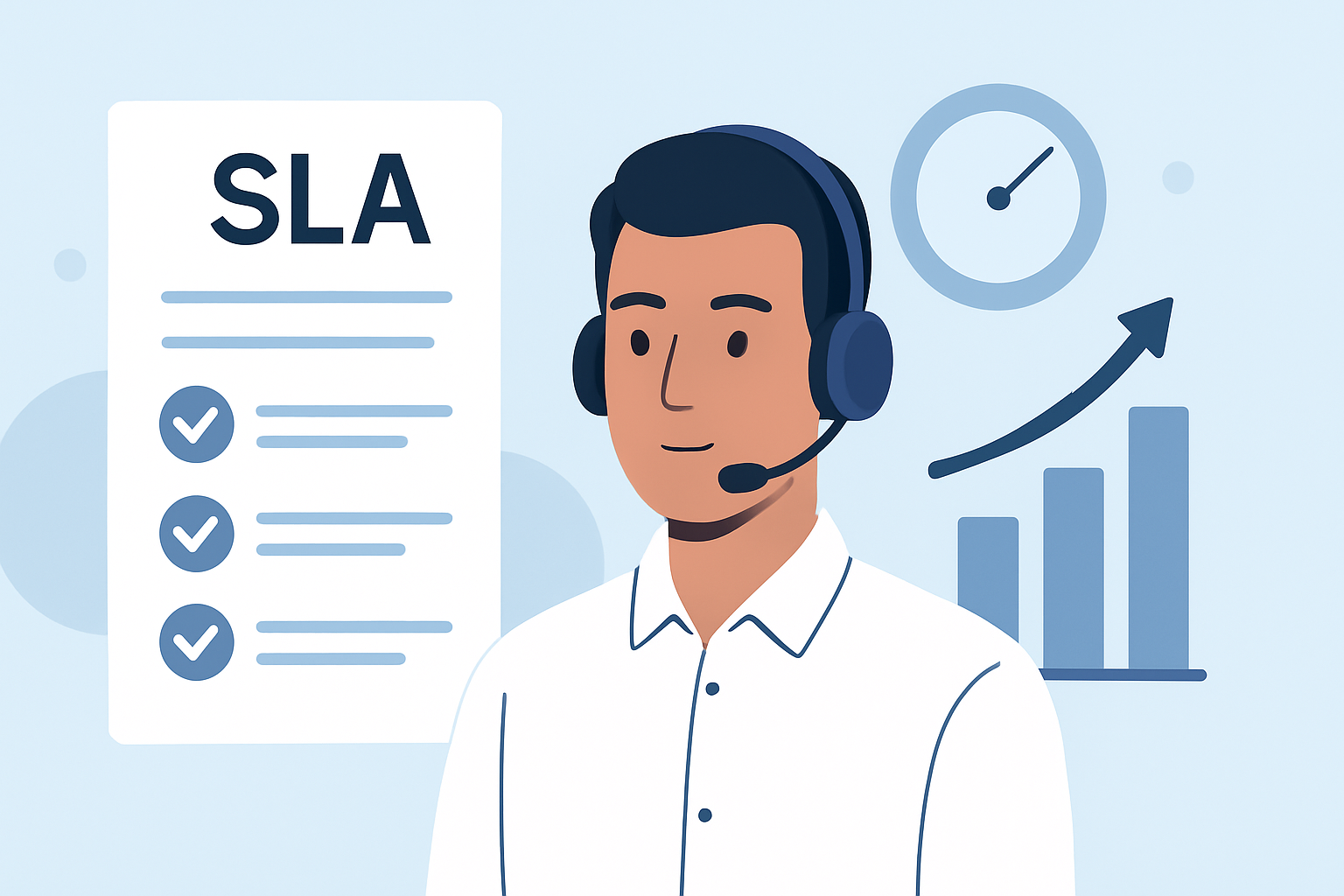
Understanding SLA: The Key to Effective Customer Support Metrics
In today's fast-paced business environment, providing exceptional customer support is crucial for success. One of the fundamental components of effective customer support is the Service Level Agreement (SLA). This article aims to demystify SLAs, their importance, and how they can enhance your customer support metrics.
What is an SLA?
A Service Level Agreement (SLA) is a formal document that outlines the expected level of service between a service provider and a customer. It defines key performance indicators (KPIs), responsibilities, and the quality of service that customers can expect. SLAs can vary significantly across industries, but their primary goal remains the same: to ensure clarity and accountability.
Components of an SLA
Understanding the components of an SLA is vital to leveraging it effectively. Here are the key elements:
- Service Scope: Clearly defines the services covered under the SLA.
- Performance Metrics: Outlines the KPIs used to measure service performance, such as response time and resolution time.
- Responsibilities: Specifies the roles and responsibilities of both the service provider and the customer.
- Reporting and Monitoring: Details how performance will be monitored and reported.
- Penalties and Remedies: Establishes the consequences for failing to meet the agreed-upon service levels.
Importance of SLAs in Customer Support
SLAs play a vital role in customer support for several reasons:
- Expectation Management: SLAs help set clear expectations for customers regarding response and resolution times, fostering trust.
- Performance Measurement: By defining specific KPIs, SLAs enable businesses to measure their performance objectively.
- Continuous Improvement: Regular monitoring of SLA adherence provides insights for improving processes and service delivery.
- Accountability: SLAs create a framework for accountability, ensuring that both parties are aware of their responsibilities.
How to Create an Effective SLA
Creating an effective SLA requires careful consideration and collaboration between stakeholders. Here are some steps to follow:
- Identify Key Services: Determine which services are critical to your customers and should be included in the SLA.
- Define Performance Metrics: Choose relevant KPIs that align with your business objectives and customer expectations.
- Engage Stakeholders: Involve team members from different departments to ensure a comprehensive understanding of service delivery.
- Review and Revise: Regularly review the SLA to ensure it remains relevant and reflects any changes in business operations or customer needs.
Conclusion
In conclusion, understanding and implementing effective Service Level Agreements is essential for enhancing customer support metrics. SLAs not only set clear expectations but also foster accountability and continuous improvement. By investing time in creating a robust SLA, businesses can significantly improve their customer support experience and build lasting relationships with their clients.
Este artigo faz parte do nosso blog. Veja-o na lista e descubra mais.
Ver todos os artigosSimplifique o seu apoio ao cliente. Organize tickets, responda mais rápido e mantenha a equipa alinhada.