Understanding SLA: The Key to Effective Support Metrics
Understanding SLA: The Key to Effective Support Metrics
In today's fast-paced digital world, businesses rely heavily on efficient support systems to maintain customer satisfaction and loyalty. One crucial component of effective support metrics is the Service Level Agreement (SLA). This article will explore what SLAs are, their importance in support metrics, and how to implement them effectively.
What is an SLA?
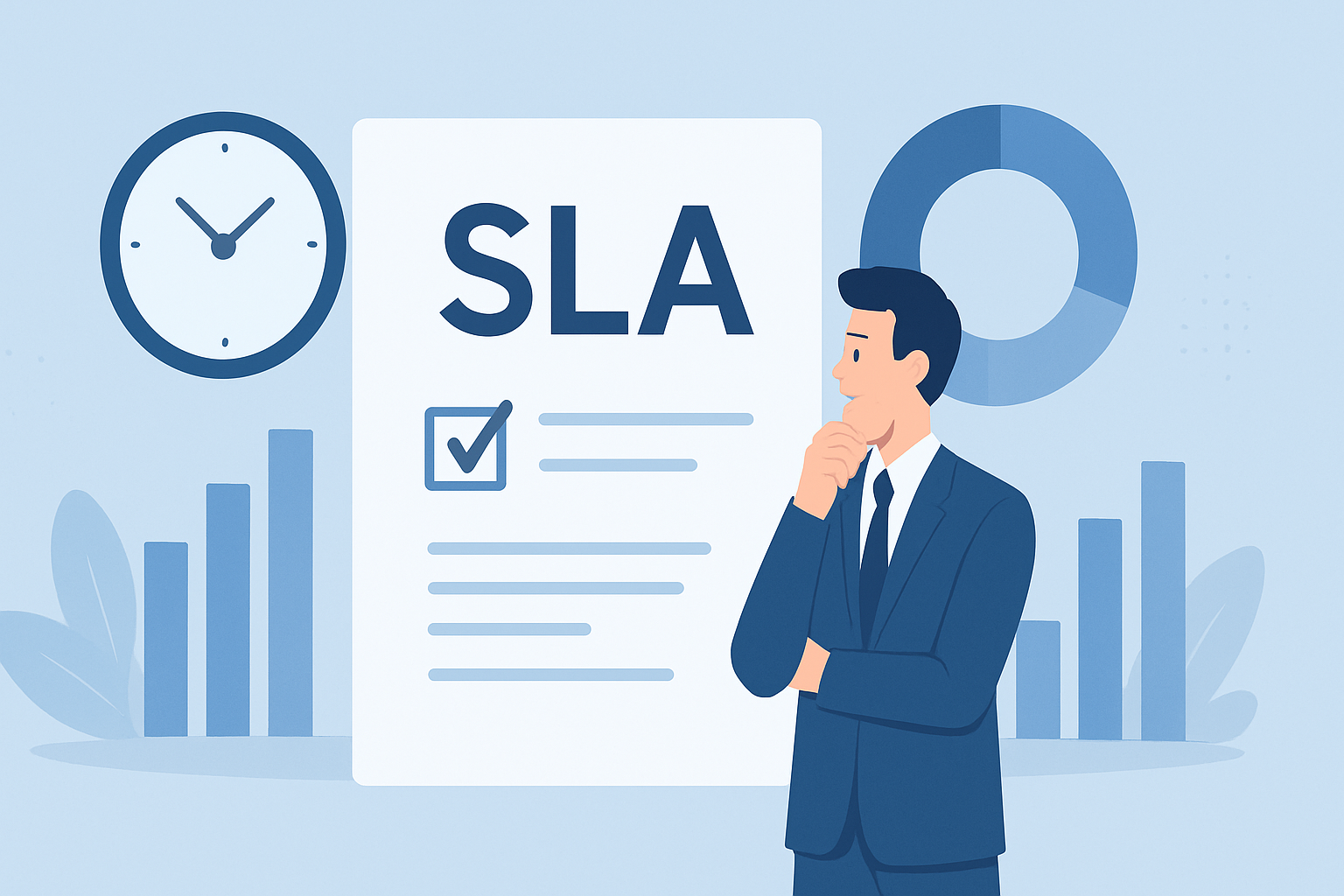
A Service Level Agreement (SLA) is a formal contract between a service provider and a client that outlines the expected level of service. It defines specific metrics, such as response times, resolution times, and availability, that the provider commits to meeting. SLAs serve as a benchmark for performance and help ensure accountability in service delivery.
Importance of SLAs in Support Metrics
SLAs play a vital role in support metrics for several reasons:
- Clarity and Expectations: SLAs provide a clear understanding of what clients can expect from the service provider, reducing ambiguity and potential conflicts.
- Performance Measurement: By establishing specific metrics, SLAs allow organizations to measure performance against agreed-upon standards, helping to identify areas for improvement.
- Accountability: SLAs hold service providers accountable for their performance, ensuring they meet the commitments made to clients.
- Customer Satisfaction: Meeting SLA commitments can enhance customer satisfaction and trust, leading to better client retention and loyalty.
Key Components of an SLA
To create an effective SLA, several key components should be included:
- Service Description: Clearly define the services covered by the SLA.
- Performance Metrics: Specify the metrics that will be used to measure service performance, such as response time, resolution time, and uptime.
- Responsibilities: Outline the responsibilities of both the service provider and the client to ensure mutual understanding.
- Monitoring and Reporting: Describe how performance will be monitored and reported, including the frequency of reports.
- Penalties and Remedies: Define penalties for failing to meet SLA commitments, as well as remedies available to clients.
Implementing SLAs Effectively
To implement SLAs successfully, consider the following steps:
- Engage Stakeholders: Involve key stakeholders from both the service provider and client sides to ensure all perspectives are considered.
- Define Clear Metrics: Choose metrics that are specific, measurable, achievable, relevant, and time-bound (SMART).
- Regular Review: Periodically review SLAs to ensure they remain relevant and aligned with business objectives and client needs.
- Training and Awareness: Educate staff on the importance of SLAs and how to meet their commitments effectively.
Conclusion
Understanding and implementing Service Level Agreements is crucial for businesses looking to enhance their support metrics and overall customer satisfaction. By clearly defining expectations, measuring performance, and holding both parties accountable, SLAs can serve as a powerful tool in achieving operational excellence. As businesses continue to evolve, so too should their SLAs, ensuring they remain relevant and effective in an ever-changing landscape.
Este artigo faz parte do nosso blog. Veja-o na lista e descubra mais.
Ver todos os artigosSimplifique o seu apoio ao cliente. Organize tickets, responda mais rápido e mantenha a equipa alinhada.
Agendar Demonstração