Understanding SLA: The Key to Optimizing Your Support Metrics
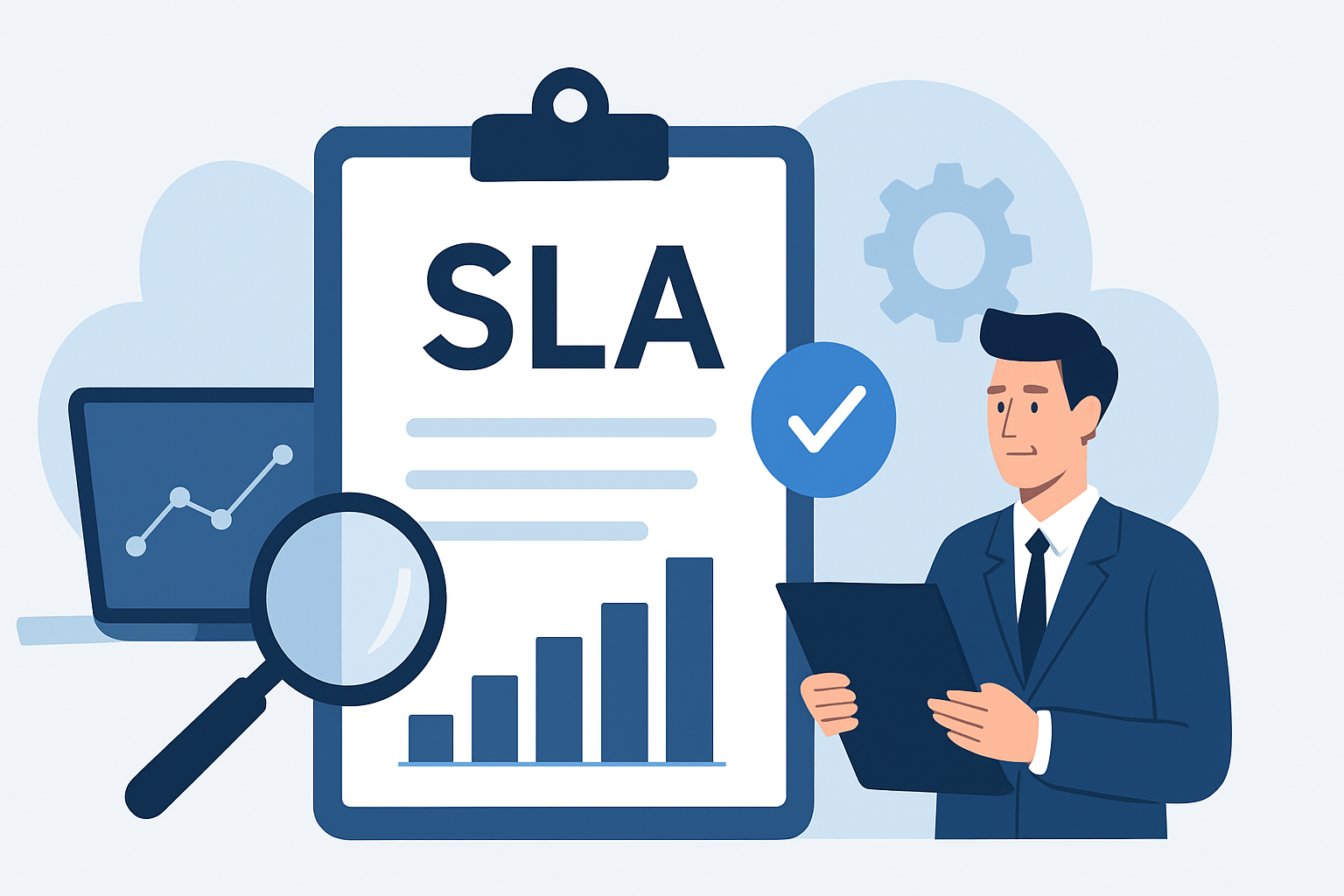
Understanding SLA: The Key to Optimizing Your Support Metrics
In today's fast-paced business environment, customer satisfaction is paramount. One of the critical factors that can significantly impact customer experience is the Service Level Agreement (SLA). Understanding SLAs is essential for optimizing your support metrics and ensuring that your organization meets its commitments to customers.
What is an SLA?
A Service Level Agreement (SLA) is a formal document that outlines the expected level of service between a service provider and a client. It defines specific metrics for service delivery, including response times, resolution times, and overall service quality. SLAs are widely used in various industries, especially in IT and customer service, to create clear expectations and accountability.
Importance of SLAs
SLAs play a crucial role in managing customer relationships and expectations. Here are some key benefits of having a well-defined SLA:
- Clarity and Transparency: SLAs provide clear guidelines on what customers can expect, reducing ambiguity and misunderstandings.
- Accountability: They hold service providers accountable for delivering services as promised, fostering trust between both parties.
- Performance Measurement: SLAs offer measurable metrics that organizations can use to evaluate their performance and identify areas for improvement.
- Customer Satisfaction: By meeting or exceeding SLA commitments, organizations can enhance customer satisfaction and loyalty.
Key Components of an SLA
To create an effective SLA, it is essential to include several key components:
- Service Description: Clearly define the services covered by the SLA.
- Performance Metrics: Specify the metrics used to evaluate service performance, such as response times, resolution times, and availability.
- Responsibilities: Outline the responsibilities of both the service provider and the client.
- Penalties and Remedies: Include information on penalties for failing to meet SLA commitments and remedies available to customers.
- Review and Reporting: Establish a process for regular review and reporting of SLA performance.
Best Practices for Managing SLAs
To effectively manage SLAs and optimize support metrics, consider the following best practices:
- Regularly Review SLAs: Periodically assess and update SLAs to ensure they remain relevant and aligned with business goals.
- Utilize Performance Dashboards: Implement tools that provide real-time visibility into SLA performance to identify issues quickly.
- Train Your Team: Ensure that your support team understands the SLA requirements and is equipped to meet them.
- Communicate with Customers: Keep customers informed about SLA commitments and any changes that may impact service delivery.
Conclusion
Understanding and effectively managing SLAs is crucial for optimizing your support metrics and enhancing customer satisfaction. By defining clear expectations, measuring performance, and following best practices, organizations can ensure they fulfill their commitments and build stronger relationships with their customers. In a competitive market, a well-managed SLA can be a significant differentiator, driving both customer loyalty and business success.
Este artigo faz parte do nosso blog. Veja-o na lista e descubra mais.
Ver todos os artigosSimplifique o seu apoio ao cliente. Organize tickets, responda mais rápido e mantenha a equipa alinhada.
Agendar Demonstração