Understanding SLA: The Key to Superior Customer Support
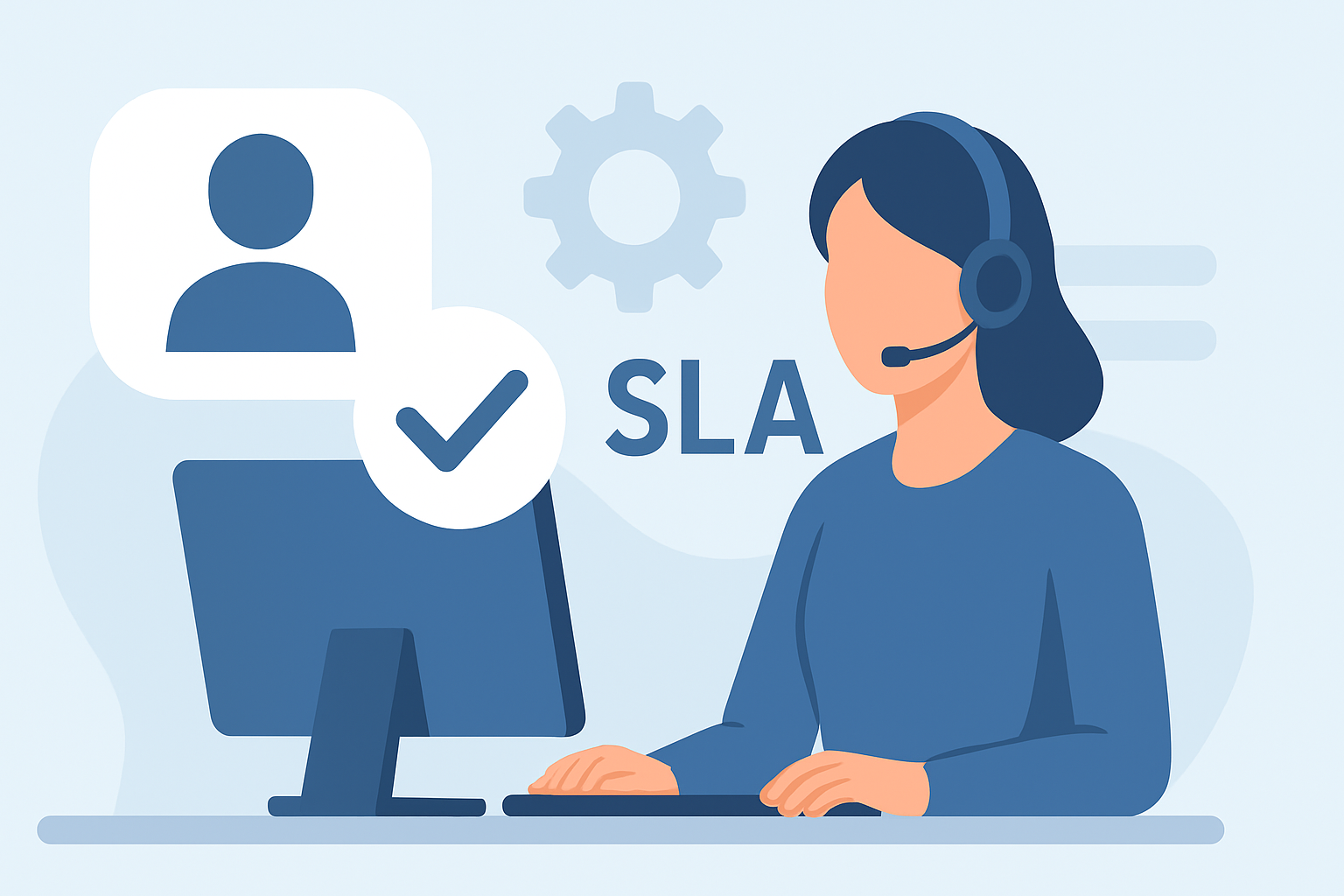
Understanding SLA: The Key to Superior Customer Support
In today's fast-paced business environment, providing exceptional customer support is crucial for maintaining a competitive edge. One of the essential tools that organizations can use to enhance their customer service is the Service Level Agreement (SLA). In this article, we will explore what an SLA is, its importance, and how it can significantly improve customer support operations.
What is a Service Level Agreement (SLA)?
A Service Level Agreement (SLA) is a formal document that outlines the expected level of service between a service provider and a customer. It defines specific metrics and standards that the service provider agrees to meet, including response times, resolution times, and overall service quality. SLAs are commonly used in various industries, including IT, telecommunications, and customer service.
The Importance of SLAs in Customer Support
Implementing SLAs in customer support has several benefits that can enhance the overall customer experience. Here are some key reasons why SLAs are essential:
- Clear Expectations: SLAs establish clear expectations for both the service provider and the customer. This clarity helps prevent misunderstandings and ensures that both parties are on the same page regarding service delivery.
- Accountability: By defining specific performance metrics, SLAs hold service providers accountable for their performance. This accountability encourages providers to meet or exceed the agreed-upon standards.
- Improved Customer Satisfaction: When customers know what to expect in terms of service responsiveness and quality, their satisfaction increases. SLAs help create a sense of trust between the customer and the service provider.
- Performance Measurement: SLAs allow organizations to measure their performance against established benchmarks. This data can be invaluable for identifying areas for improvement and optimizing customer support processes.
- Conflict Resolution: In cases where service levels are not met, SLAs provide a framework for resolving disputes. This can help maintain a positive relationship between the service provider and the customer.
Key Components of an Effective SLA
To ensure that an SLA is effective, it should include several key components:
- Service Description: A detailed description of the services covered by the SLA, including any limitations or exclusions.
- Performance Metrics: Specific metrics that outline the expected levels of service, such as response times, resolution times, and availability.
- Roles and Responsibilities: Clearly defined roles and responsibilities for both the service provider and the customer, ensuring that everyone knows their obligations.
- Monitoring and Reporting: Procedures for monitoring performance against the SLA and reporting results to stakeholders.
- Review and Revision Process: A process for regularly reviewing and updating the SLA to ensure it remains relevant and effective.
Best Practices for Implementing SLAs
To maximize the effectiveness of SLAs in customer support, consider the following best practices:
- Involve Stakeholders: Engage both internal teams and customers in the SLA development process to ensure that it meets everyone’s needs.
- Be Realistic: Set achievable performance targets that are based on historical data and industry standards.
- Communicate Clearly: Ensure that all stakeholders understand the SLA and its implications for service delivery.
- Regularly Review: Schedule regular reviews of the SLA to assess its effectiveness and make necessary adjustments.
- Train Staff: Provide training to support staff on the SLA and its importance in delivering customer service.
Conclusion
Understanding and implementing Service Level Agreements (SLAs) is vital for organizations looking to enhance their customer support services. By setting clear expectations, establishing accountability, and measuring performance, SLAs can lead to improved customer satisfaction and loyalty. As businesses continue to evolve, leveraging SLAs will be a key strategy for delivering superior customer support in a competitive landscape.
Este artigo faz parte do nosso blog. Veja-o na lista e descubra mais.
Ver todos os artigosSimplifique o seu apoio ao cliente. Organize tickets, responda mais rápido e mantenha a equipa alinhada.
Agendar Demonstração