Understanding SLAs: The Key to Effective Customer Support Metrics
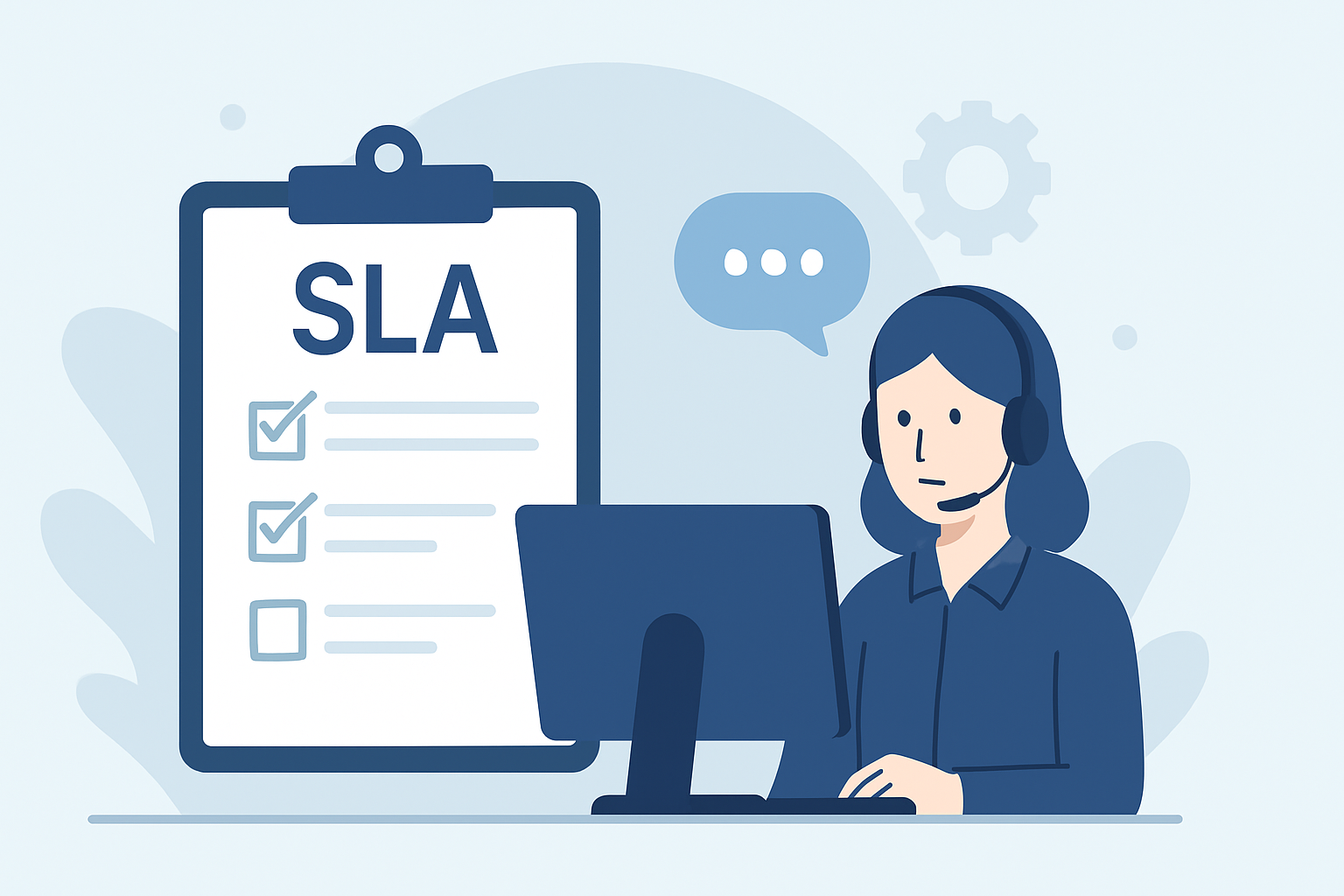
Understanding SLAs: The Key to Effective Customer Support Metrics
Service Level Agreements (SLAs) are crucial components in the realm of customer support, serving as the foundation for measuring the quality and effectiveness of support services. In this article, we will explore what SLAs are, why they matter, and how to effectively implement them to enhance customer satisfaction.
What is an SLA?
A Service Level Agreement (SLA) is a formal document that outlines the expected level of service between a service provider and a customer. It defines specific metrics such as response times, resolution times, and the overall quality of service. SLAs are essential for setting clear expectations and ensuring accountability in customer support operations.
Why SLAs Matter
SLAs play a significant role in customer support for several reasons:
- Clarity and Transparency: They provide a clear understanding of what customers can expect, reducing ambiguity and enhancing trust.
- Performance Measurement: SLAs establish benchmarks for measuring performance, allowing organizations to assess their effectiveness in meeting customer needs.
- Accountability: By setting defined standards, SLAs hold support teams accountable for their performance and service delivery.
- Customer Satisfaction: Meeting or exceeding SLA commitments can lead to higher customer satisfaction and loyalty.
Key Components of an SLA
To create an effective SLA, consider including the following components:
- Service Description: Clearly outline the services covered under the SLA.
- Performance Metrics: Define specific metrics such as response time, resolution time, and availability.
- Responsibilities: Specify the responsibilities of both the service provider and the customer.
- Reporting and Review: Outline how performance will be monitored and reported, including review periods.
- Penalties and Remedies: Describe any penalties for failing to meet SLA standards and remedies available to the customer.
Implementing SLAs Effectively
To ensure that SLAs are effective and beneficial, follow these steps:
- Engage Stakeholders: Involve both customers and support teams in the SLA creation process to ensure that all perspectives are considered.
- Set Realistic Goals: Establish achievable metrics that reflect both customer needs and the capabilities of your support team.
- Communicate Clearly: Ensure that all parties understand the SLA terms and expectations to avoid misunderstandings.
- Monitor Performance: Regularly track performance against the SLA metrics and address any issues promptly.
- Review and Adjust: Periodically review the SLA to ensure it remains relevant and aligns with evolving customer needs and business objectives.
Conclusion
Understanding and implementing SLAs is essential for any organization that aims to provide effective customer support. By establishing clear expectations and measurable standards, businesses can improve their service quality, enhance customer satisfaction, and foster long-term loyalty. As the landscape of customer support continues to evolve, maintaining a focus on SLAs will be key to staying competitive and responsive to customer needs.
Este artigo faz parte do nosso blog. Veja-o na lista e descubra mais.
Ver todos os artigosSimplifique o seu apoio ao cliente. Organize tickets, responda mais rápido e mantenha a equipa alinhada.