Understanding the Customer Journey: A Guide to Better Engagement
Understanding the Customer Journey: A Guide to Better Engagement
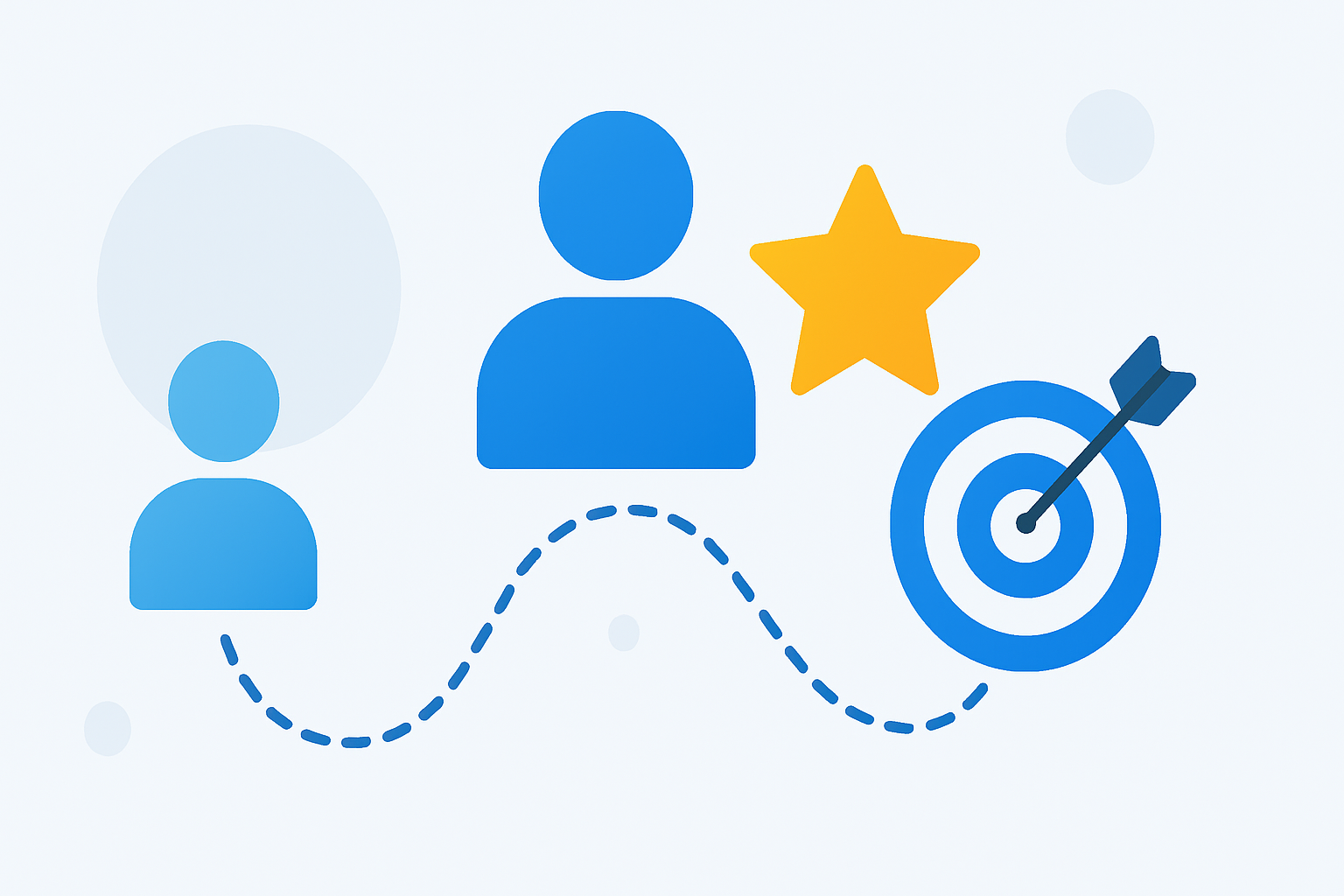
In today's competitive marketplace, understanding the customer journey is crucial for businesses looking to enhance customer engagement and loyalty. The customer journey refers to the complete experience a customer has with a brand, from the initial awareness stage to post-purchase interactions. By mapping out this journey, companies can identify pain points, optimize their strategies, and create a more satisfying customer experience.
What is the Customer Journey?
The customer journey is typically divided into several stages:
- Aware: The customer becomes aware of a product or service.
- Consideration: The customer evaluates the options available and considers making a purchase.
- Decision: The customer decides to purchase a product or service.
- Retention: The customer experiences the product or service and interacts with the brand post-purchase.
- Advocacy: The customer becomes a loyal advocate for the brand, sharing their positive experiences with others.
Why is Understanding the Customer Journey Important?
Understanding the customer journey is essential for several reasons:
- Improved Customer Experience: By identifying the touchpoints where customers may face challenges, businesses can make necessary adjustments to enhance the overall experience.
- Increased Customer Loyalty: A seamless and enjoyable journey encourages customers to return and make repeat purchases.
- Data-Driven Decisions: Mapping the customer journey allows businesses to gather valuable insights and data, leading to informed decision-making.
- Targeted Marketing: Understanding the journey helps in creating personalized marketing strategies that resonate with customers at different stages.
How to Map the Customer Journey
Mapping the customer journey involves several steps:
- Identify Customer Personas: Understand who your customers are by creating detailed personas based on demographics, behaviors, and preferences.
- Outline the Stages: Clearly define each stage of the customer journey and the corresponding touchpoints.
- Collect Customer Feedback: Use surveys, interviews, and analytics to gather insights on customer experiences at each stage.
- Analyze Data: Examine the collected data to identify trends, pain points, and opportunities for improvement.
- Implement Changes: Use the insights gained to optimize the customer journey and enhance engagement strategies.
Tips for Enhancing Customer Engagement
To further improve customer engagement throughout the journey, consider the following tips:
- Utilize Multi-Channel Communication: Ensure customers can reach you through various channels, including social media, email, and live chat.
- Personalize Interactions: Use customer data to tailor your communications and offers to individual preferences and behaviors.
- Provide Value: Share valuable content, tips, and resources that resonate with your audience and address their needs.
- Follow Up: After a purchase, reach out to customers to gather feedback and offer assistance, reinforcing their positive experience.
Conclusion
Understanding the customer journey is vital for fostering better engagement and building lasting relationships with customers. By mapping out each stage of the journey, identifying pain points, and implementing targeted strategies, businesses can create a more satisfying experience that not only meets but exceeds customer expectations. In the ever-evolving marketplace, a customer-centric approach is key to long-term success.
Este artigo faz parte do nosso blog. Veja-o na lista e descubra mais.
Ver todos os artigosSimplifique o seu apoio ao cliente. Organize tickets, responda mais rápido e mantenha a equipa alinhada.
Agendar Demonstração