Understanding the Customer Journey: Keys to Improved Satisfaction
Understanding the Customer Journey: Keys to Improved Satisfaction
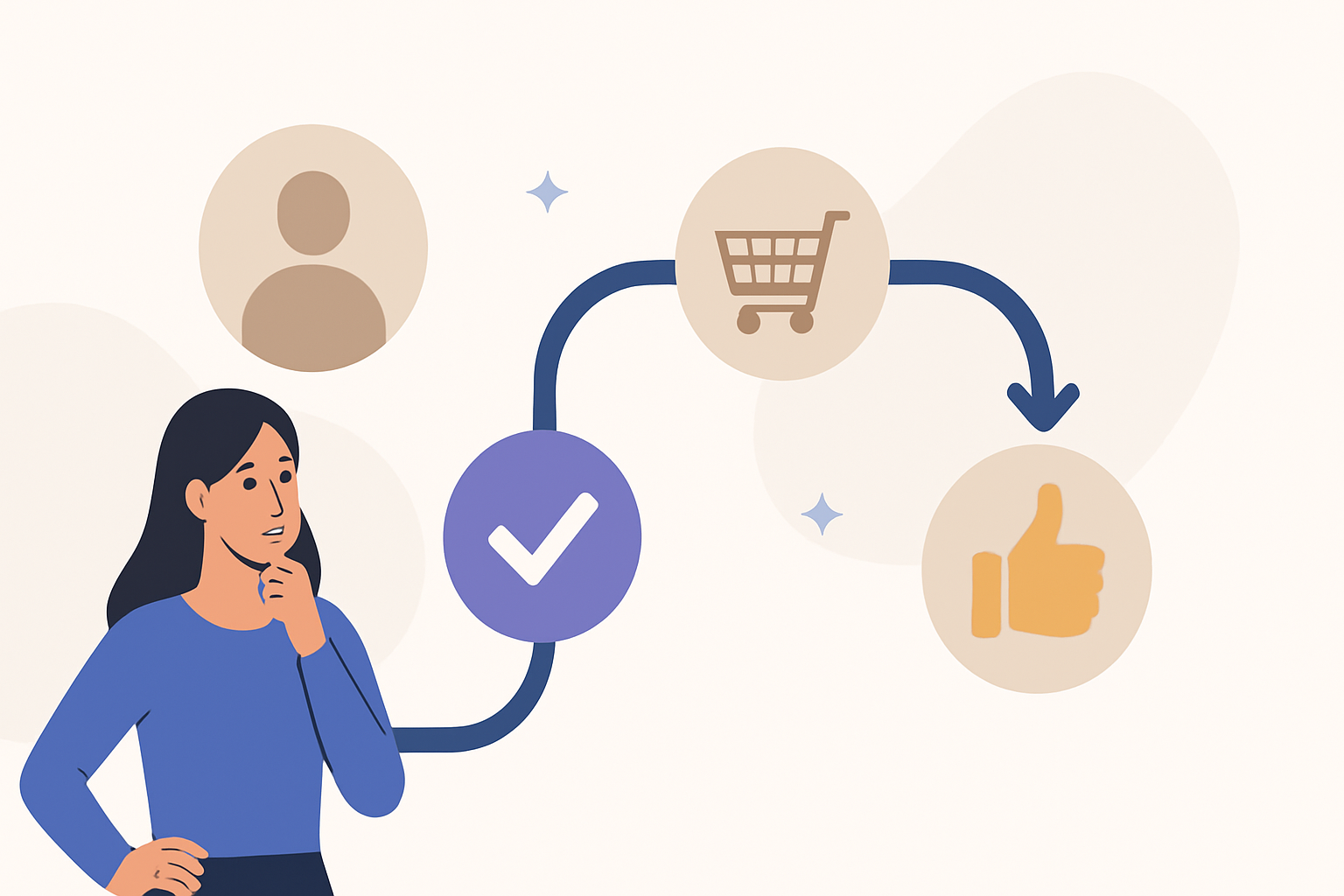
In today's competitive marketplace, understanding the customer journey is essential for businesses aiming to enhance customer satisfaction. The customer journey encompasses every interaction a customer has with a brand, from the initial awareness to post-purchase experiences. By mapping this journey, businesses can identify pain points, streamline processes, and ultimately improve customer satisfaction. This article explores the key stages of the customer journey and offers strategies to enhance each phase.
Stages of the Customer Journey
The customer journey can be broken down into several key stages:
- Aware: This is the stage where potential customers first become aware of a brand or product. Effective marketing strategies are crucial here.
- Consideration: Customers evaluate different options and consider whether your product or service meets their needs.
- Decision: This is the moment when the customer decides to make a purchase. Factors influencing this decision include price, reviews, and the ease of the purchasing process.
- Retention: After the purchase, businesses should focus on retaining customers through follow-ups, support, and engagement strategies.
- Advocacy: Satisfied customers are likely to recommend your brand to others. Building a loyal customer base can turn customers into advocates.
Strategies to Improve Each Stage
To enhance customer satisfaction throughout the journey, businesses can implement the following strategies for each stage:
Aware Stage
- Targeted Advertising: Utilize demographic data and customer insights to create targeted ad campaigns that reach potential customers effectively.
- Content Marketing: Provide valuable content that addresses customer pain points and positions your brand as a thought leader in your industry.
Consideration Stage
- Customer Reviews: Encourage satisfied customers to leave reviews, as social proof can significantly influence potential buyers.
- Comparison Guides: Provide easy-to-understand comparison guides that highlight the benefits and features of your products against competitors.
Decision Stage
- Simplified Checkout Process: Ensure that the purchasing process is straightforward and user-friendly. Minimize the number of steps required to complete a purchase.
- Promotions and Discounts: Offer limited-time promotions or discounts to encourage quick purchasing decisions.
Retention Stage
- Follow-Up Communication: Send personalized emails or messages thanking customers for their purchase and providing additional resources or support.
- Loyalty Programs: Implement loyalty programs that reward repeat customers with discounts, exclusive offers, or early access to new products.
Advocacy Stage
- Encourage Referrals: Create referral programs that incentivize customers to recommend your brand to friends and family.
- Engage on Social Media: Actively engage with customers on social media platforms to foster community and encourage sharing of positive experiences.
Conclusion
Understanding the customer journey is vital for any business looking to improve customer satisfaction. By focusing on each stage of the journey and implementing targeted strategies, companies can create a seamless and enjoyable experience for their customers. This not only boosts satisfaction but also drives loyalty and advocacy, ultimately leading to greater success in the marketplace.
Investing time and resources into mapping and enhancing the customer journey is not just beneficial; it is essential for long-term growth and customer retention in today’s fast-paced business environment.
Este artigo faz parte do nosso blog. Veja-o na lista e descubra mais.
Ver todos os artigosSimplifique o seu apoio ao cliente. Organize tickets, responda mais rápido e mantenha a equipa alinhada.
Agendar Demonstração