Understanding the Importance of SLA in Customer Support Metrics
Understanding the Importance of SLA in Customer Support Metrics
In today's fast-paced business environment, customer satisfaction is more critical than ever. One of the key components that significantly influences customer satisfaction in service-oriented industries is the Service Level Agreement (SLA). This article explores the importance of SLAs in customer support metrics and how they can enhance overall service delivery.
What is an SLA?
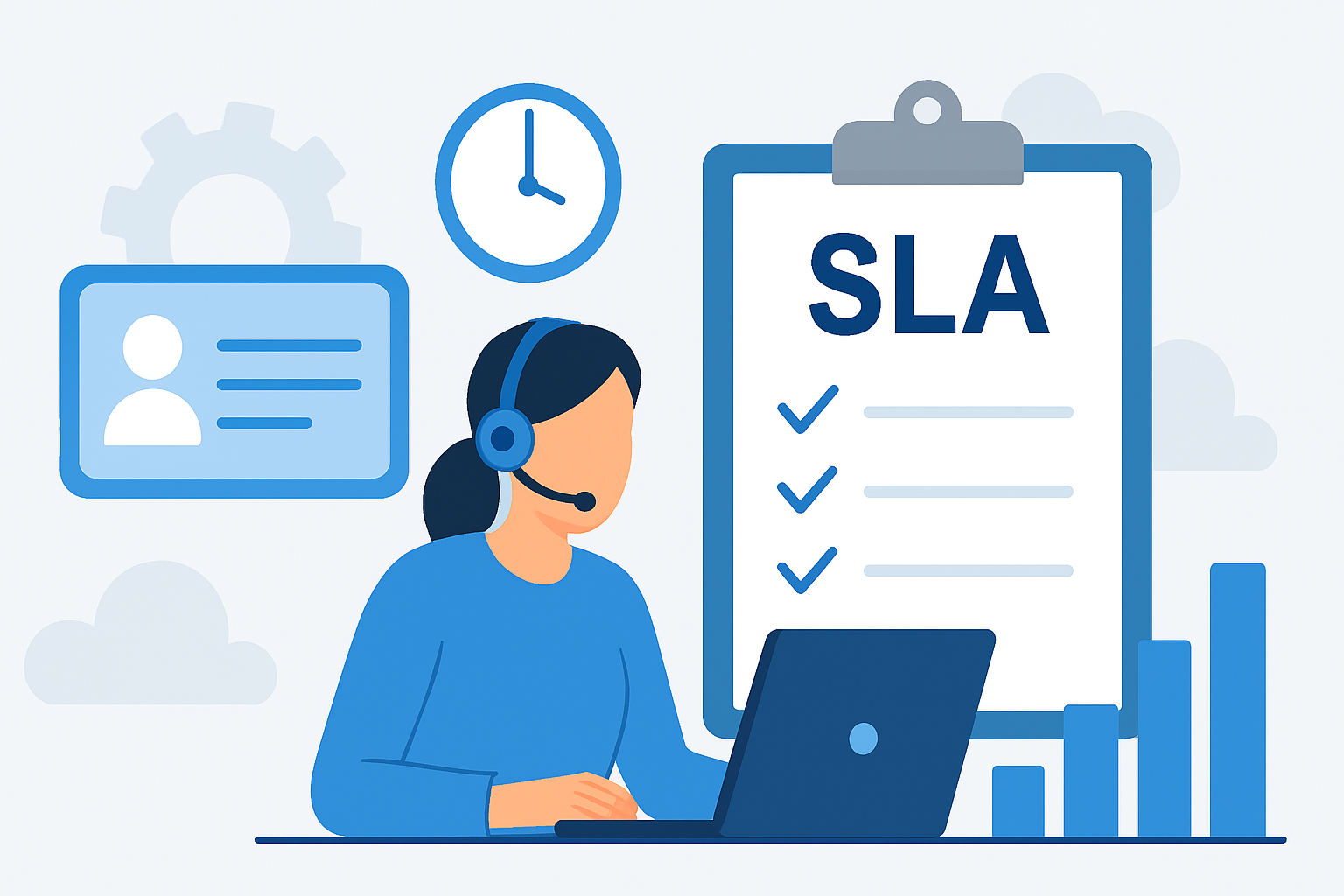
A Service Level Agreement (SLA) is a formal document that outlines the expected level of service between a service provider and a client. It defines specific metrics that the service provider is obligated to meet, such as response times, resolution times, and availability of support. SLAs serve as a benchmark for assessing the performance of customer support teams and help ensure that both parties have a clear understanding of their expectations.
Why Are SLAs Important?
SLAs play a crucial role in customer support for several reasons:
- Sets Clear Expectations: By clearly defining the level of service provided, SLAs help manage customer expectations and reduce misunderstandings.
- Enhances Accountability: SLAs hold customer support teams accountable for their performance, ensuring that they meet the agreed-upon service levels.
- Improves Customer Satisfaction: When customers know what to expect, they are more likely to be satisfied with the service they receive, leading to higher retention rates.
- Facilitates Performance Measurement: SLAs provide measurable metrics that can be analyzed to assess the performance of customer support teams and identify areas for improvement.
- Encourages Continuous Improvement: With clear targets in place, organizations are motivated to continuously improve their processes and service delivery.
Key Metrics to Include in an SLA
When developing an SLA for customer support, it is essential to include key performance metrics that align with your business goals. Some common metrics to consider include:
- Response Time: The time taken to acknowledge a customer's inquiry or issue.
- Resolution Time: The time taken to resolve a customer's issue from the moment it is reported.
- First Contact Resolution Rate: The percentage of issues resolved during the first interaction with the customer.
- Customer Satisfaction Score (CSAT): A measure of customer satisfaction based on their experience with the support team.
- Service Availability: The percentage of time that support services are available to customers.
Best Practices for Implementing SLAs
To effectively implement SLAs in your customer support strategy, consider the following best practices:
- Involve Stakeholders: Collaborate with both internal teams and customers to ensure the SLA meets everyone's needs and expectations.
- Be Realistic: Set achievable targets that your support team can realistically meet without compromising service quality.
- Regularly Review and Update: Periodically assess the SLA to ensure it remains relevant and aligned with changing business goals or customer needs.
- Communicate Clearly: Ensure that all stakeholders are aware of the SLA and its implications for service delivery.
- Monitor Performance: Use analytics and reporting tools to track performance against SLA metrics and identify trends or areas for improvement.
Conclusion
In summary, Service Level Agreements are essential tools for enhancing customer support metrics. By setting clear expectations, enhancing accountability, and facilitating performance measurement, SLAs can significantly improve customer satisfaction and service delivery. As businesses continue to evolve, regularly reviewing and updating SLAs will ensure they remain effective and relevant in meeting customer needs.
Investing time and resources into developing robust SLAs will ultimately lead to a more satisfied customer base and a more efficient support team, driving long-term success for your organization.
Este artigo faz parte do nosso blog. Veja-o na lista e descubra mais.
Ver todos os artigosSimplifique o seu apoio ao cliente. Organize tickets, responda mais rápido e mantenha a equipa alinhada.
Agendar Demonstração