Unlocking the Secrets to Successful Customer Loyalty Programs
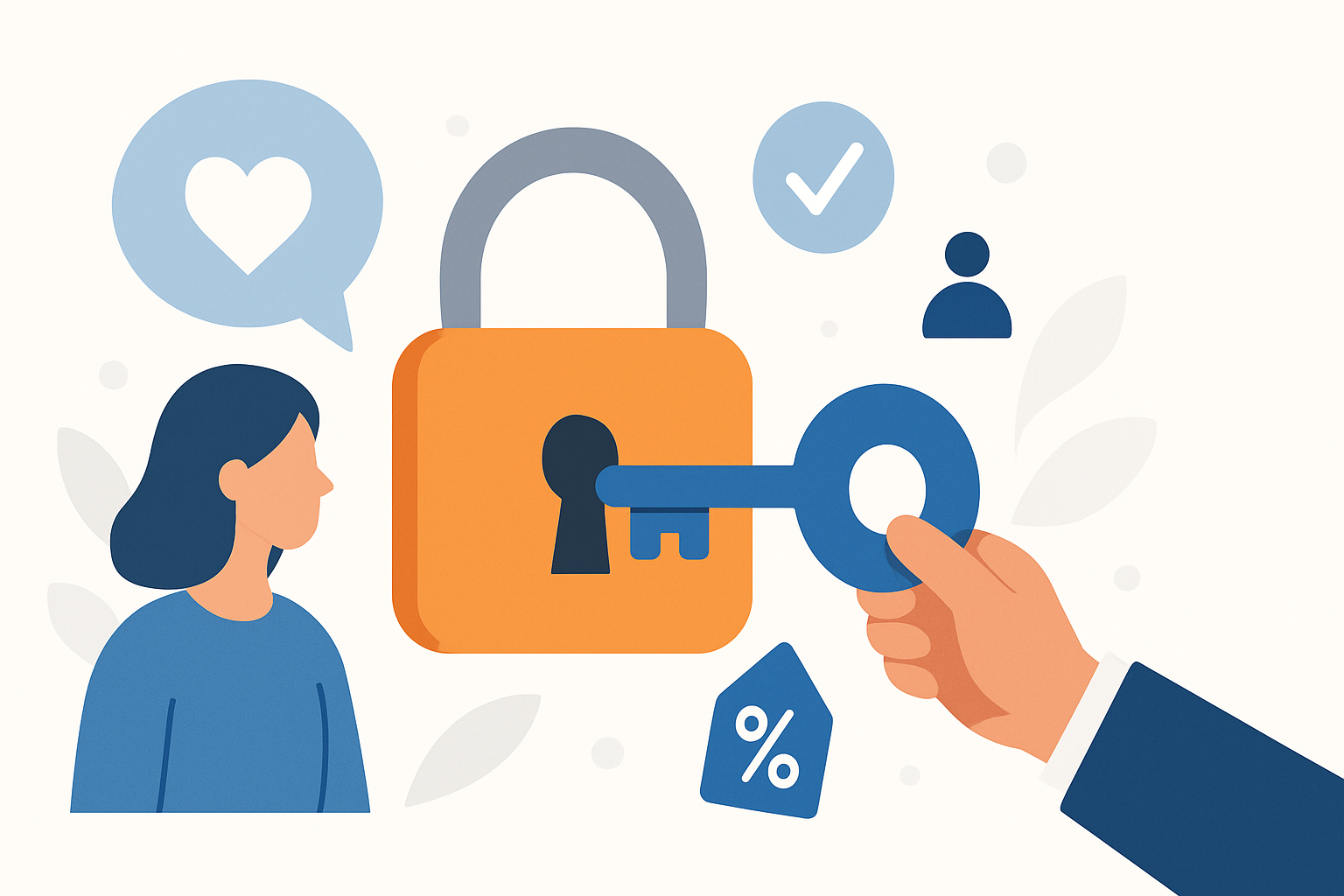
Unlocking the Secrets to Successful Customer Loyalty Programs
In today's competitive market, businesses are constantly searching for ways to retain customers and build lasting relationships. One of the most effective strategies to achieve this is through customer loyalty programs. These programs not only encourage repeat purchases but also foster a sense of community and belonging among customers. In this article, we will explore the key elements that contribute to the success of customer loyalty programs and how businesses can implement them effectively.
Understanding Customer Loyalty Programs
Customer loyalty programs are structured marketing strategies designed to encourage customers to continue shopping at a business. These programs often reward customers with points, discounts, or exclusive offers based on their purchasing behavior. The ultimate goal is to increase customer retention, boost sales, and enhance the overall customer experience.
Key Elements of Successful Loyalty Programs
- Clear Value Proposition: Customers need to understand the benefits of joining a loyalty program. Whether it's earning points for future purchases or gaining access to exclusive products, the value must be clear and appealing.
- Easy Enrollment: The sign-up process should be simple and straightforward. Complicated registration can deter potential members. Offering multiple enrollment options, such as online, via mobile apps, or in-store, can increase participation.
- Personalization: Tailoring rewards and communications to individual customer preferences can significantly enhance engagement. Use data analytics to understand customer behavior and customize offers accordingly.
- Engagement and Communication: Regularly communicate with members through newsletters, social media, and personalized messages. Keeping customers informed about their rewards and new offers can maintain their interest.
- Flexibility: Customers appreciate programs that allow them to choose how they earn and redeem rewards. Offering multiple redemption options can cater to a wider range of preferences.
- Feedback Mechanism: Encourage feedback from customers to continually improve the program. Listening to their needs and making necessary adjustments can lead to increased satisfaction and loyalty.
Types of Customer Loyalty Programs
There are various types of loyalty programs, each suited to different types of businesses and customer bases. Here are some popular models:
- Points-Based Programs: Customers earn points for every purchase, which can later be redeemed for rewards. This is one of the most common types of loyalty programs.
- Tiered Programs: These programs offer different levels of rewards based on the customer's spending. Higher tiers often come with more exclusive benefits, encouraging customers to spend more to reach the next level.
- Cashback Programs: Customers receive a percentage of their spending back as cash or credit for future purchases. This straightforward approach appeals to many consumers.
- Subscription-Based Programs: Customers pay a recurring fee to receive benefits, such as discounts or exclusive access to products. This model works well for businesses with a loyal customer base.
- Coalition Programs: Multiple businesses come together to create a joint loyalty program, allowing customers to earn and redeem points across different brands. This can increase the program's appeal and reach.
Measuring the Success of Loyalty Programs
To ensure a loyalty program is effective, businesses need to track and analyze key performance indicators (KPIs). Some important metrics to consider include:
- Customer Retention Rate: Measure how many customers continue to engage with your brand over time.
- Average Transaction Value: Analyze whether loyalty program members spend more than non-members.
- Program Participation Rate: Monitor the percentage of customers who enroll in the loyalty program.
- Redemption Rate: Evaluate how often rewards are redeemed, which can indicate the program's attractiveness.
- Customer Lifetime Value: Understand the long-term value of loyalty program members compared to non-members.
Conclusion
Implementing a successful customer loyalty program can be a game-changer for businesses looking to enhance customer retention and satisfaction. By focusing on key elements such as value proposition, personalization, and engagement, companies can create programs that resonate with their customers. Remember to continually assess and adapt the program based on customer feedback and performance metrics to ensure its ongoing success. With the right strategy, your business can unlock the full potential of customer loyalty.
Este artigo faz parte do nosso blog. Veja-o na lista e descubra mais.
Ver todos os artigosSimplifique o seu apoio ao cliente. Organize tickets, responda mais rápido e mantenha a equipa alinhada.
Agendar Demonstração