Unveiling Corporate Secrets: The Epstein Files and Lack of Regulation
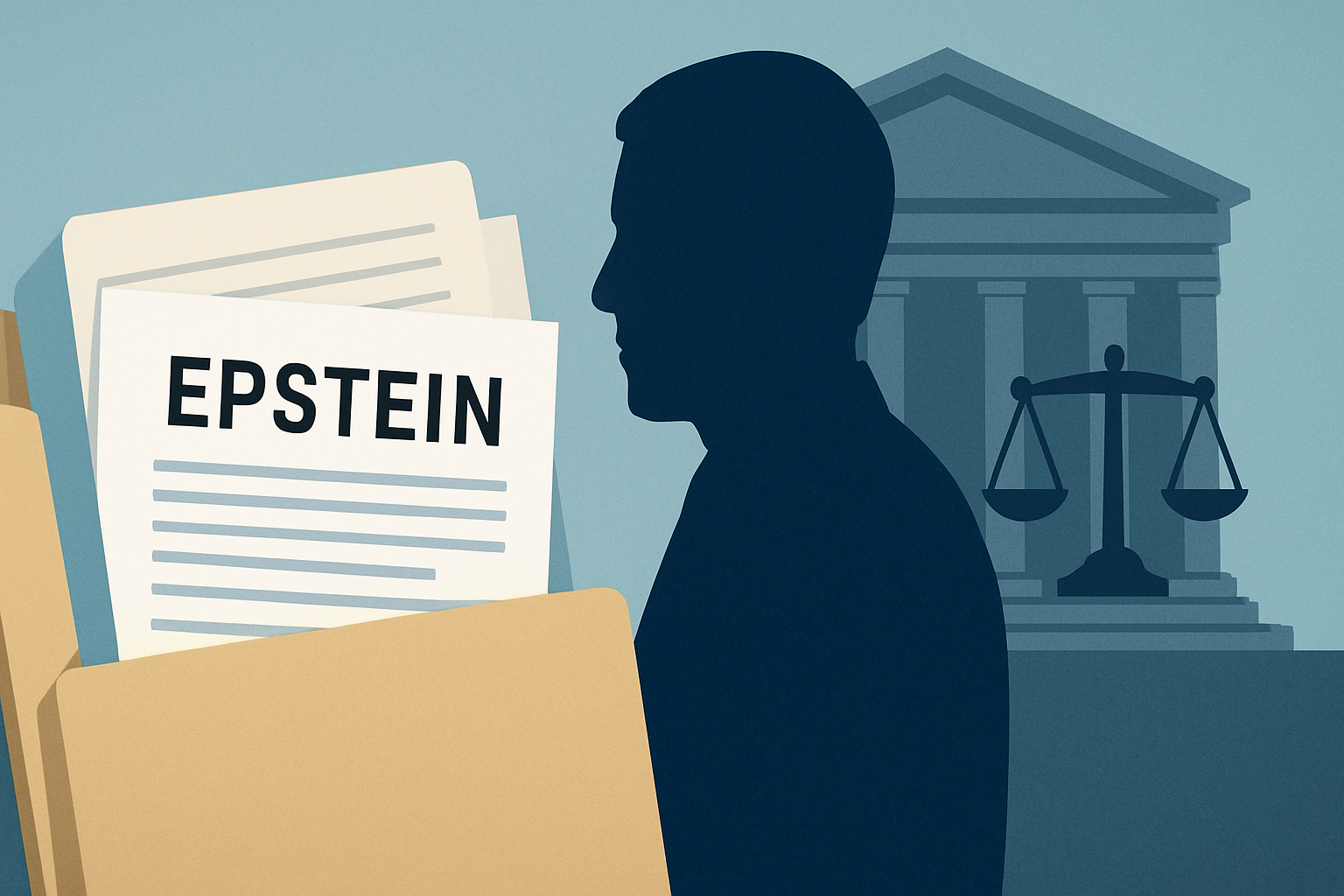
Unveiling Corporate Secrets: The Epstein Files and Lack of Regulation
In recent years, the name Jeffrey Epstein has become synonymous with scandal, secrecy, and the dark underbelly of corporate America. The release of the Epstein Files has shed light on a myriad of corporate practices that raise ethical questions and highlight the pressing need for regulation. This article delves into the implications of the Epstein Files, the lack of oversight in certain industries, and the potential consequences for corporate governance.
The Epstein Files: A Brief Overview
The Epstein Files refer to a collection of documents, emails, and testimonies that emerged following the investigations into Jeffrey Epstein's activities. These files not only detail Epstein's personal dealings but also reveal connections to influential figures in finance, politics, and business. The implications of these connections have sparked debates about the intersection of wealth, power, and morality in corporate settings.
Corporate Connections and Ethical Dilemmas
One of the most alarming revelations from the Epstein Files is the extent to which Epstein was able to cultivate relationships with high-profile individuals across various sectors. This raises several ethical dilemmas, including:
- Conflicts of Interest: The intertwining of Epstein's network with corporate leaders raises questions about the integrity of decision-making processes within companies.
- Accountability: Many executives and board members associated with Epstein have faced little to no repercussions, highlighting a lack of accountability in corporate governance.
- Transparency: The opacity surrounding these connections illustrates a broader issue of transparency in corporate practices, which is crucial for maintaining public trust.
The Lack of Regulation: A Systemic Issue
The Epstein Files not only expose individual ethical failings but also point to a systemic lack of regulation in certain industries. This absence of oversight can lead to:
- Unchecked Power: Corporations often operate with minimal regulatory constraints, allowing unethical behavior to flourish without consequence.
- Inadequate Safeguards: Many industries lack the necessary safeguards to protect against exploitation and unethical practices, which can have devastating effects on individuals and communities.
- Public Distrust: As revelations continue to surface, public trust in corporations and institutions declines, which can impact consumer behavior and investor confidence.
Calls for Reform
In light of the findings within the Epstein Files, there have been growing calls for reform in corporate governance and regulatory practices. Some proposed measures include:
- Enhanced Disclosure Requirements: Companies should be mandated to disclose any significant connections to individuals with questionable ethical backgrounds.
- Stricter Accountability Standards: Corporate leaders must face accountability for their associations and decisions, ensuring that ethical conduct is prioritized.
- Increased Regulatory Oversight: Policymakers should implement more robust regulations to safeguard against corporate misconduct and protect stakeholders.
Conclusion
The Epstein Files serve as a stark reminder of the potential for corruption and ethical breaches within corporate America. The lack of regulation and oversight not only enables such behaviors but also erodes public trust in institutions. As discussions around corporate reform continue, it is imperative that stakeholders advocate for transparency, accountability, and ethical governance to prevent similar scandals from occurring in the future.
Este artigo faz parte do nosso blog. Veja-o na lista e descubra mais.
Ver todos os artigosSimplifique o seu apoio ao cliente. Organize tickets, responda mais rápido e mantenha a equipa alinhada.
Agendar Demonstração