How to Set and Measure Effective SLAs for Enhanced Customer Satisfaction
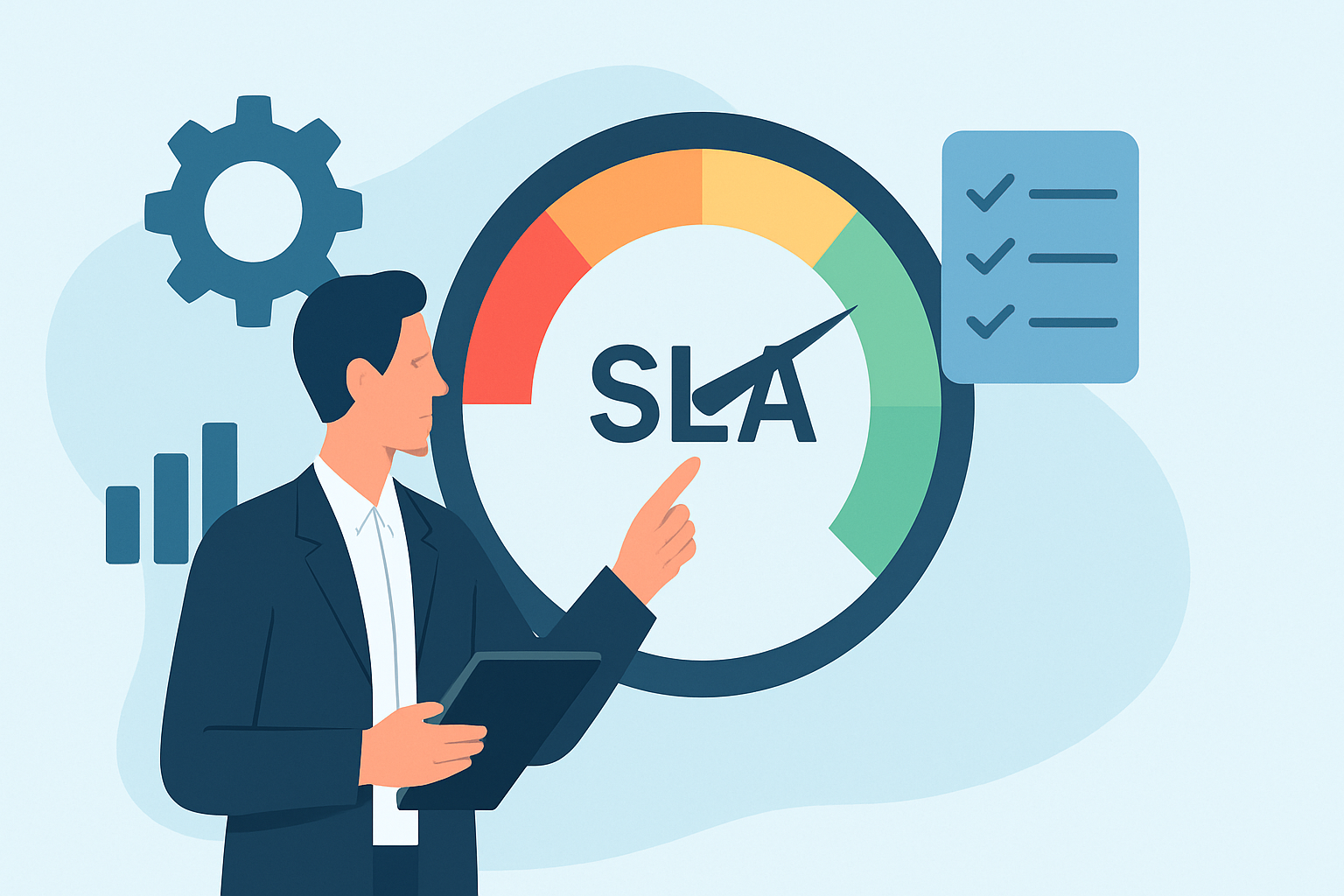
How to Set and Measure Effective SLAs for Enhanced Customer Satisfaction
Service Level Agreements (SLAs) are crucial for defining the expectations between service providers and customers. They serve as a commitment to deliver a certain level of service, ensuring transparency and accountability. In this article, we will explore how to set and measure effective SLAs that can significantly enhance customer satisfaction.
Understanding SLAs
Before diving into the specifics of setting and measuring SLAs, it's important to understand what SLAs encompass. SLAs typically include the following components:
- Service Description: A clear outline of the services provided.
- Performance Metrics: Specific criteria for measuring service performance.
- Responsibilities: Duties and obligations of both service providers and customers.
- Monitoring and Reporting: How performance will be tracked and reported.
- Penalties and Remedies: Consequences for failing to meet the agreed-upon service levels.
Setting Effective SLAs
To establish effective SLAs, consider the following steps:
- Identify Customer Needs: Engage with customers to understand their expectations and requirements. Conduct surveys or interviews to gather insights.
- Define Clear Objectives: Establish specific, measurable, achievable, relevant, and time-bound (SMART) objectives that align with customer needs.
- Choose Relevant Metrics: Select performance metrics that accurately reflect service quality. Common metrics include response time, resolution time, and uptime percentage.
- Set Realistic Targets: Based on historical data and industry standards, set achievable targets that challenge your team while remaining attainable.
- Involve Stakeholders: Collaborate with all relevant stakeholders, including technical teams and customer service representatives, to ensure everyone is aligned with the SLA goals.
Measuring SLA Performance
Once SLAs are established, it's essential to measure their performance effectively. Here are some strategies for measurement:
- Regular Monitoring: Implement tools and systems that continuously monitor performance metrics. This allows for real-time insights into service delivery.
- Data Analysis: Analyze collected data to identify trends, patterns, and areas for improvement. Use analytics tools to visualize performance over time.
- Customer Feedback: Regularly solicit feedback from customers regarding their satisfaction with the service. This can provide qualitative insights that metrics alone may not reveal.
- Reporting: Create regular reports summarizing SLA performance. Share these reports with stakeholders to maintain transparency and accountability.
- Review and Adjust: Periodically review SLAs to ensure they remain relevant and effective. Adjust targets and metrics as necessary based on changing customer needs and business objectives.
Conclusion
Setting and measuring effective SLAs is essential for enhancing customer satisfaction. By understanding customer needs, defining clear objectives, and continuously monitoring performance, organizations can foster stronger relationships with their customers and ensure a high level of service quality. Remember, SLAs are not just a contractual obligation; they are a commitment to delivering value and building trust with your customers.
Este artigo faz parte do nosso blog. Veja-o na lista e descubra mais.
Ver todos os artigosSimplifique o seu apoio ao cliente. Organize tickets, responda mais rápido e mantenha a equipa alinhada.
Agendar Demonstração