Measuring Customer Experience: Tools and Techniques You Need
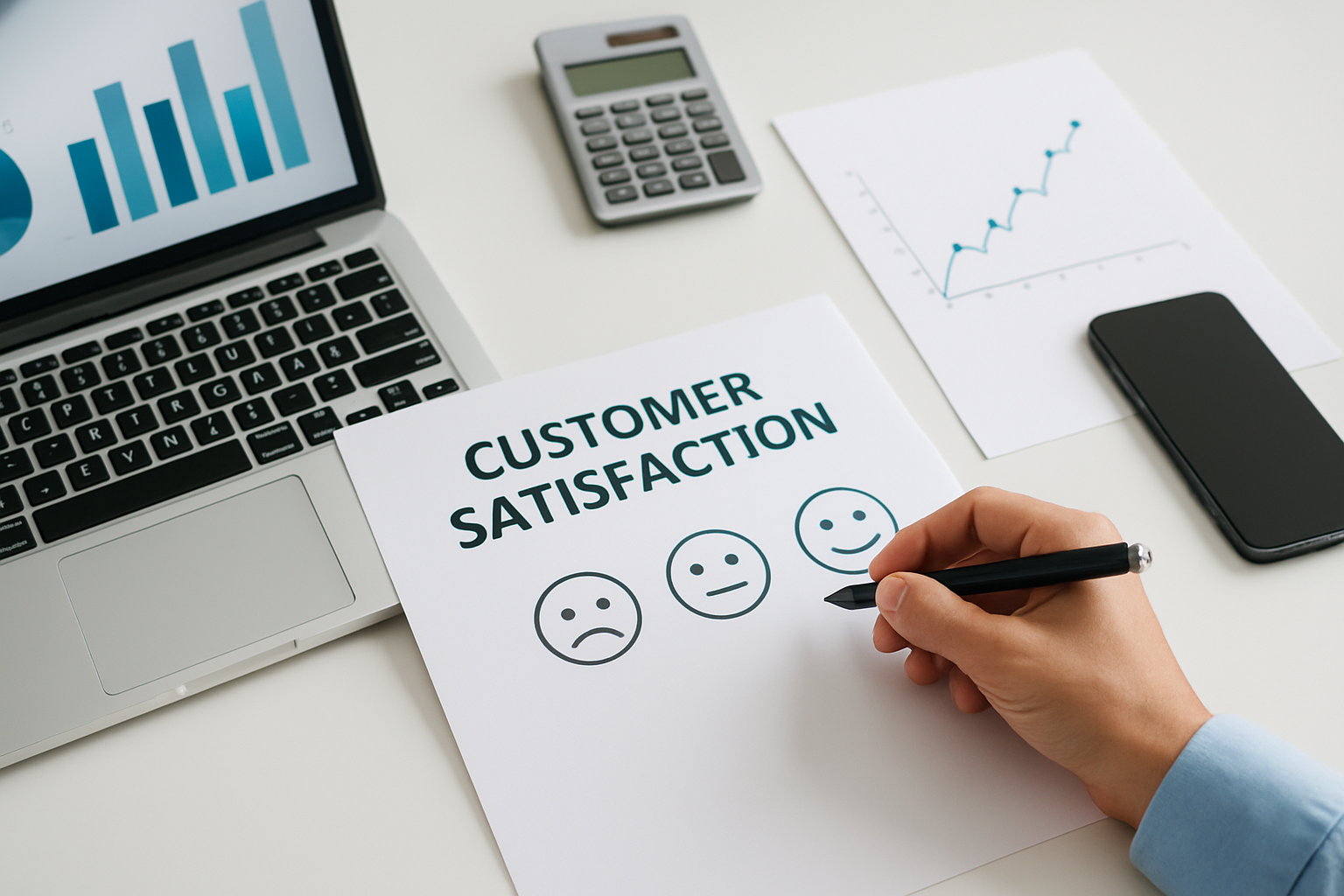
Measuring Customer Experience: Tools and Techniques You Need
In today's competitive market, understanding and improving customer experience (CX) is crucial for businesses aiming to thrive. Measuring customer experience allows companies to identify pain points, enhance satisfaction, and foster loyalty. This article explores essential tools and techniques for effectively measuring customer experience.
Understanding Customer Experience
Customer experience encompasses every interaction a customer has with a brand, from the initial contact to post-purchase support. It includes various touchpoints, such as:
- Website usability
- Customer service interactions
- Product quality
- Brand communication
Measuring these interactions helps businesses understand customer perceptions and improve overall satisfaction.
Key Tools for Measuring Customer Experience
There are several tools available to help businesses measure customer experience effectively. Here are some of the most popular options:
1. Surveys
Surveys are one of the most common methods for gathering customer feedback. They can be conducted through various channels, including email, websites, or mobile apps. Some popular survey types include:
- Net Promoter Score (NPS): Measures customer loyalty by asking how likely customers are to recommend your brand.
- Customer Satisfaction Score (CSAT): Gauges customer satisfaction with a specific interaction or product.
- Customer Effort Score (CES): Assesses how easy it was for customers to resolve their issues.
2. Customer Interviews
Conducting in-depth interviews with customers provides qualitative insights into their experiences. These conversations can reveal underlying issues and help businesses understand customer motivations, preferences, and pain points.
3. Social Media Monitoring
Social media platforms are valuable sources of customer feedback. Monitoring mentions, comments, and reviews can help businesses gauge public perception and identify areas for improvement. Tools like Hootsuite and Sprout Social can assist in tracking brand sentiment.
4. Website Analytics
Using website analytics tools like Google Analytics can provide insights into customer behavior on your site. Metrics such as bounce rates, time on page, and conversion rates can help identify user experience issues and opportunities for enhancement.
Techniques for Analyzing Customer Experience
Once you’ve collected customer feedback, the next step is to analyze the data to draw actionable insights. Here are some effective techniques for analysis:
1. Sentiment Analysis
Sentiment analysis involves evaluating customer feedback to determine the overall emotional tone. This can help businesses identify positive and negative sentiments, allowing them to address specific issues promptly.
2. Journey Mapping
Customer journey mapping visualizes the steps a customer takes when interacting with your brand. This technique helps identify touchpoints that may need improvement and highlights opportunities to enhance the overall experience.
3. Data Segmentation
Segmenting customer data based on demographics, behavior, or preferences allows businesses to tailor their strategies to specific groups. This targeted approach can lead to more effective improvements in customer experience.
Conclusion
Measuring customer experience is vital for any business looking to succeed in a crowded marketplace. By leveraging the right tools and techniques, companies can gain valuable insights into customer perceptions, identify areas for improvement, and ultimately enhance customer satisfaction and loyalty. Remember, the key to a successful measurement strategy is not only collecting data but also acting on it to create a better customer experience.
Este artigo faz parte do nosso blog. Veja-o na lista e descubra mais.
Ver todos os artigosSimplifique o seu apoio ao cliente. Organize tickets, responda mais rápido e mantenha a equipa alinhada.