Measuring Customer Satisfaction: Key Metrics and Best Practices
Measuring Customer Satisfaction: Key Metrics and Best Practices
Customer satisfaction is a critical metric for businesses looking to improve their offerings and enhance customer loyalty. Understanding how to measure customer satisfaction effectively can help organizations identify areas for improvement and drive growth. In this article, we will explore key metrics for measuring customer satisfaction and share best practices for implementing these measures.
Key Metrics for Measuring Customer Satisfaction
There are several key metrics that businesses can use to gauge customer satisfaction. Each of these metrics provides unique insights into customer perceptions and experiences:
- Net Promoter Score (NPS): This metric measures customer loyalty and the likelihood of customers recommending your product or service to others. NPS is calculated by asking customers how likely they are to recommend your business on a scale of 0 to 10.
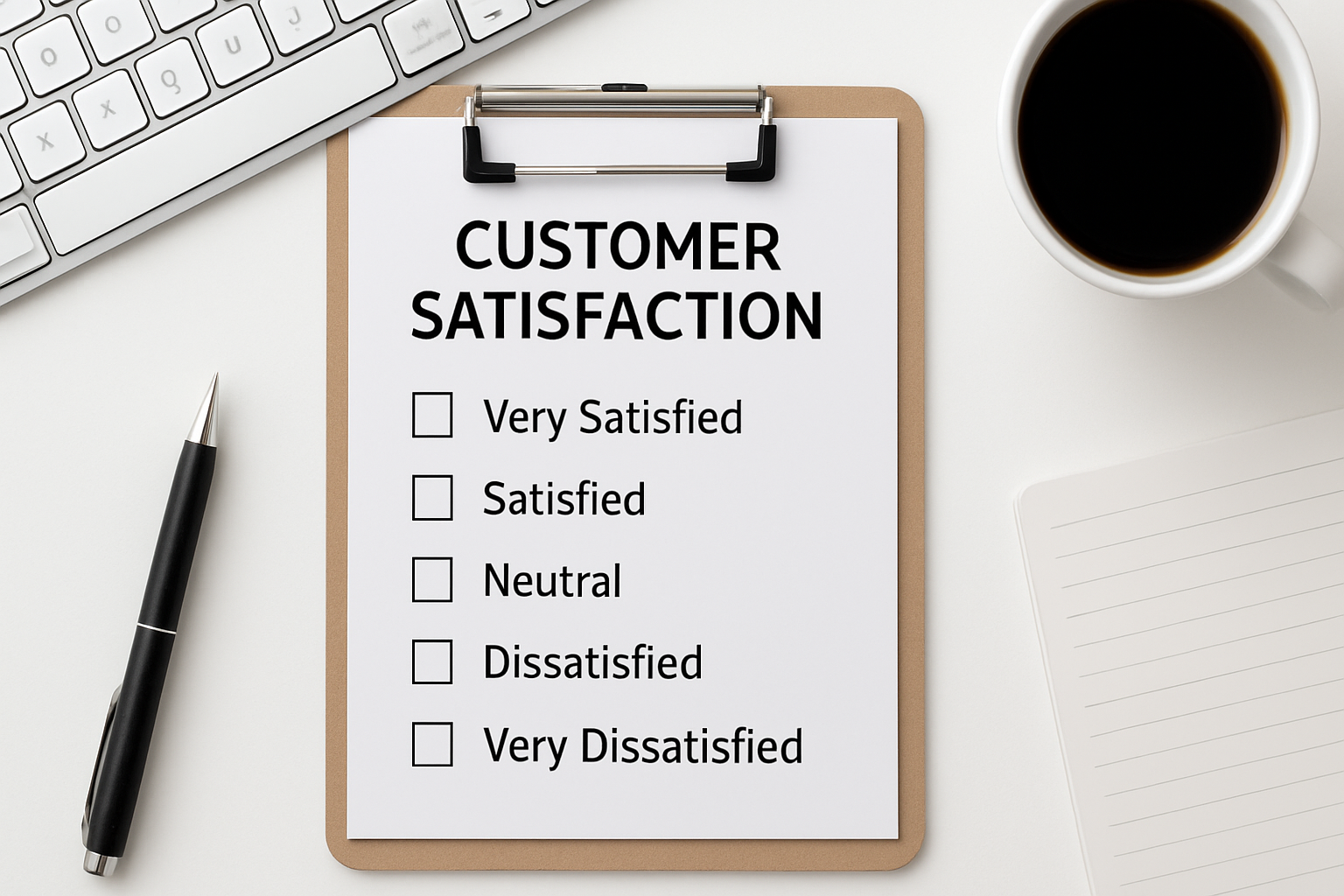
- Customer Satisfaction Score (CSAT): CSAT is a straightforward measure that asks customers to rate their satisfaction with a specific interaction or overall experience. It is typically measured on a scale of 1 to 5 or 1 to 10.
- Customer Effort Score (CES): CES measures how easy it is for customers to interact with your business. It focuses on the effort required to resolve an issue or complete a transaction, with lower scores indicating a better experience.
- Customer Retention Rate: This metric tracks the percentage of customers who continue to do business with you over a specific period. A high retention rate often correlates with high customer satisfaction.
- Churn Rate: Churn rate measures the percentage of customers who stop doing business with you during a specific timeframe. A high churn rate can signal dissatisfaction among your customer base.
Best Practices for Measuring Customer Satisfaction
To effectively measure customer satisfaction, consider the following best practices:
- Use Multiple Metrics: Relying on a single metric can provide a skewed view of customer satisfaction. Use a combination of metrics like NPS, CSAT, and CES to gain a comprehensive understanding of customer sentiment.
- Regularly Collect Feedback: Implement regular feedback loops to gather insights from customers. This can include surveys, interviews, or feedback forms after key interactions.
- Act on Feedback: Collecting feedback is only valuable if you act on it. Use the insights gained to make improvements to your products, services, or customer support processes.
- Segment Your Data: Analyze customer satisfaction metrics by different segments such as demographics, purchase history, or channel used. This helps identify specific areas that may need attention.
- Communicate Results Internally: Share customer satisfaction metrics with your team and stakeholders. This promotes accountability and encourages a customer-centric culture within the organization.
Conclusion
Measuring customer satisfaction is essential for businesses aiming to enhance customer experiences and drive loyalty. By utilizing key metrics such as NPS, CSAT, and CES, and following best practices for feedback collection and analysis, organizations can gain valuable insights into their customers' needs and preferences. Ultimately, a strong focus on customer satisfaction will lead to improved performance and long-term success.
Este artigo faz parte do nosso blog. Veja-o na lista e descubra mais.
Ver todos os artigosSimplifique o seu apoio ao cliente. Organize tickets, responda mais rápido e mantenha a equipa alinhada.