Measuring Customer Satisfaction: Tools and Techniques for Better Insights
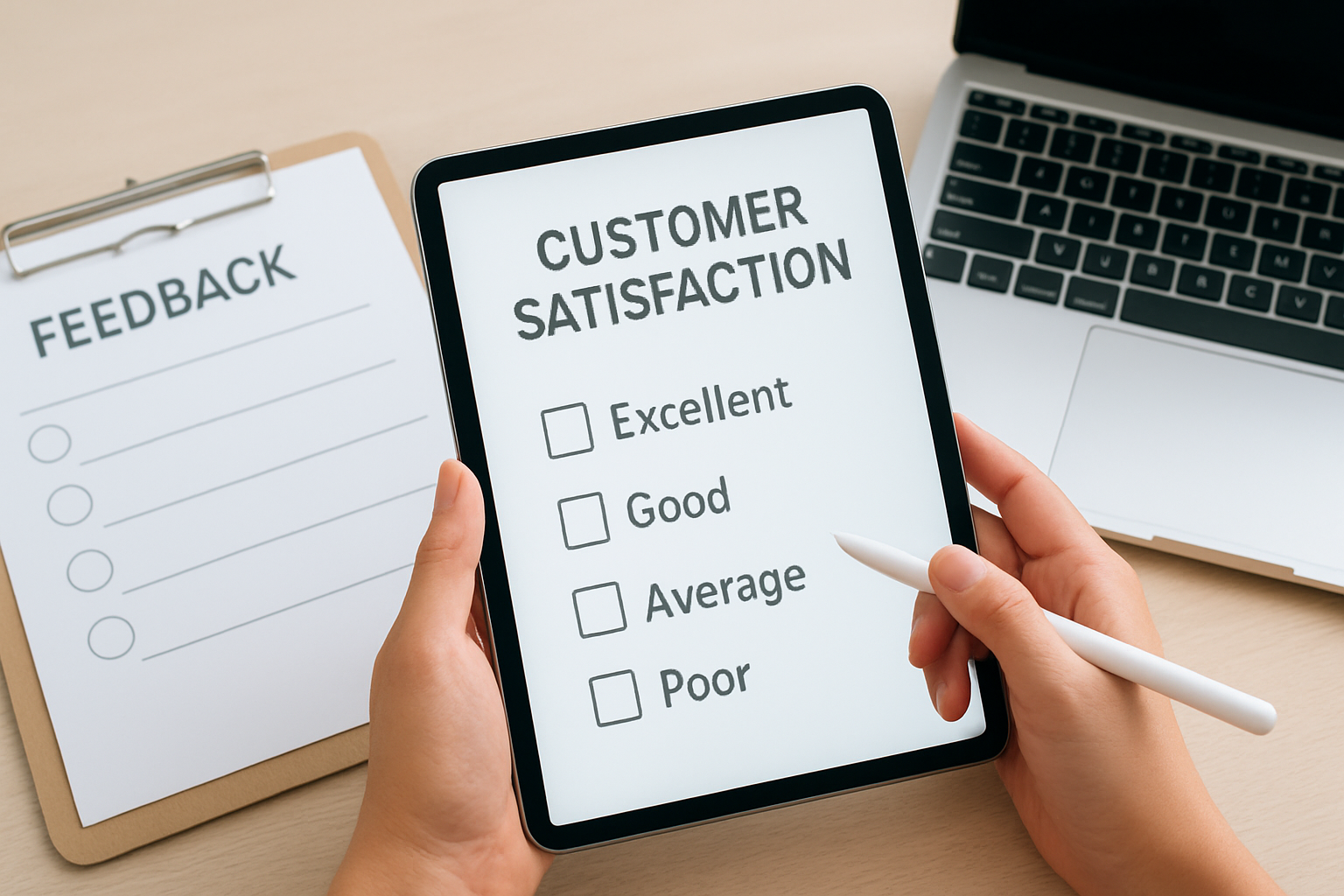
Measuring Customer Satisfaction: Tools and Techniques for Better Insights
Understanding customer satisfaction is crucial for any business aiming to enhance its services and products. It not only helps in retaining customers but also plays a significant role in attracting new ones. In this article, we will explore various tools and techniques that can help you measure customer satisfaction effectively.
The Importance of Customer Satisfaction
Customer satisfaction is a key indicator of a company’s performance. High satisfaction levels often correlate with customer loyalty, repeat purchases, and positive word-of-mouth referrals. Conversely, low satisfaction can lead to customer churn and negative reviews. Therefore, measuring customer satisfaction should be a priority for any organization.
Common Tools for Measuring Customer Satisfaction
- Surveys: Surveys are one of the most popular methods for assessing customer satisfaction. They can be conducted online, via email, or in person. Tools like SurveyMonkey and Google Forms can help create and distribute surveys efficiently.
- Net Promoter Score (NPS): NPS is a straightforward tool that measures customer loyalty by asking a single question: "How likely are you to recommend our product/service to a friend or colleague?" Responses are then categorized into promoters, passives, and detractors.
- Customer Satisfaction Score (CSAT): This score is derived from customer feedback after an interaction or purchase. Customers rate their satisfaction on a scale, typically from 1 to 5. The average score provides insights into overall satisfaction levels.
- Customer Effort Score (CES): CES measures the ease of customer interaction with a brand. It helps identify friction points in the customer journey that may hinder satisfaction.
Qualitative Techniques for Deeper Insights
While quantitative tools provide measurable data, qualitative methods can offer deeper insights into customer feelings and motivations. Consider the following techniques:
- Interviews: Conducting one-on-one interviews with customers can provide valuable feedback and uncover underlying issues that may not be evident through surveys.
- Focus Groups: Bringing together a group of customers to discuss their experiences can generate rich discussions and diverse perspectives on customer satisfaction.
- Social Media Listening: Monitoring social media platforms for customer feedback and comments can help identify trends and sentiments that affect satisfaction levels.
Analyzing and Acting on Customer Feedback
Collecting data is just the first step; analyzing and acting on that feedback is where true improvement begins. Here are some strategies to consider:
- Data Analysis: Use analytical tools to interpret survey results and identify patterns. Look for correlations between customer satisfaction scores and specific aspects of your service or product.
- Set Benchmarks: Establish benchmarks for customer satisfaction based on industry standards or historical data. This will help you track improvements over time.
- Implement Changes: Use the insights gained from customer feedback to make informed changes to products or services. Communicate these changes to customers to show that their feedback is valued.
- Follow Up: After implementing changes, follow up with customers to measure the effectiveness of those changes on their satisfaction levels.
Conclusion
Measuring customer satisfaction is a continuous process that requires a combination of quantitative and qualitative tools. By employing the right techniques and analyzing feedback effectively, businesses can gain valuable insights that lead to improved customer experiences and increased loyalty. Remember, satisfied customers are not just a metric; they are the foundation of a successful business.
Este artigo faz parte do nosso blog. Veja-o na lista e descubra mais.
Ver todos os artigosSimplifique o seu apoio ao cliente. Organize tickets, responda mais rápido e mantenha a equipa alinhada.