Navigating the Complexities of SLA Metrics in Customer Support
Navigating the Complexities of SLA Metrics in Customer Support
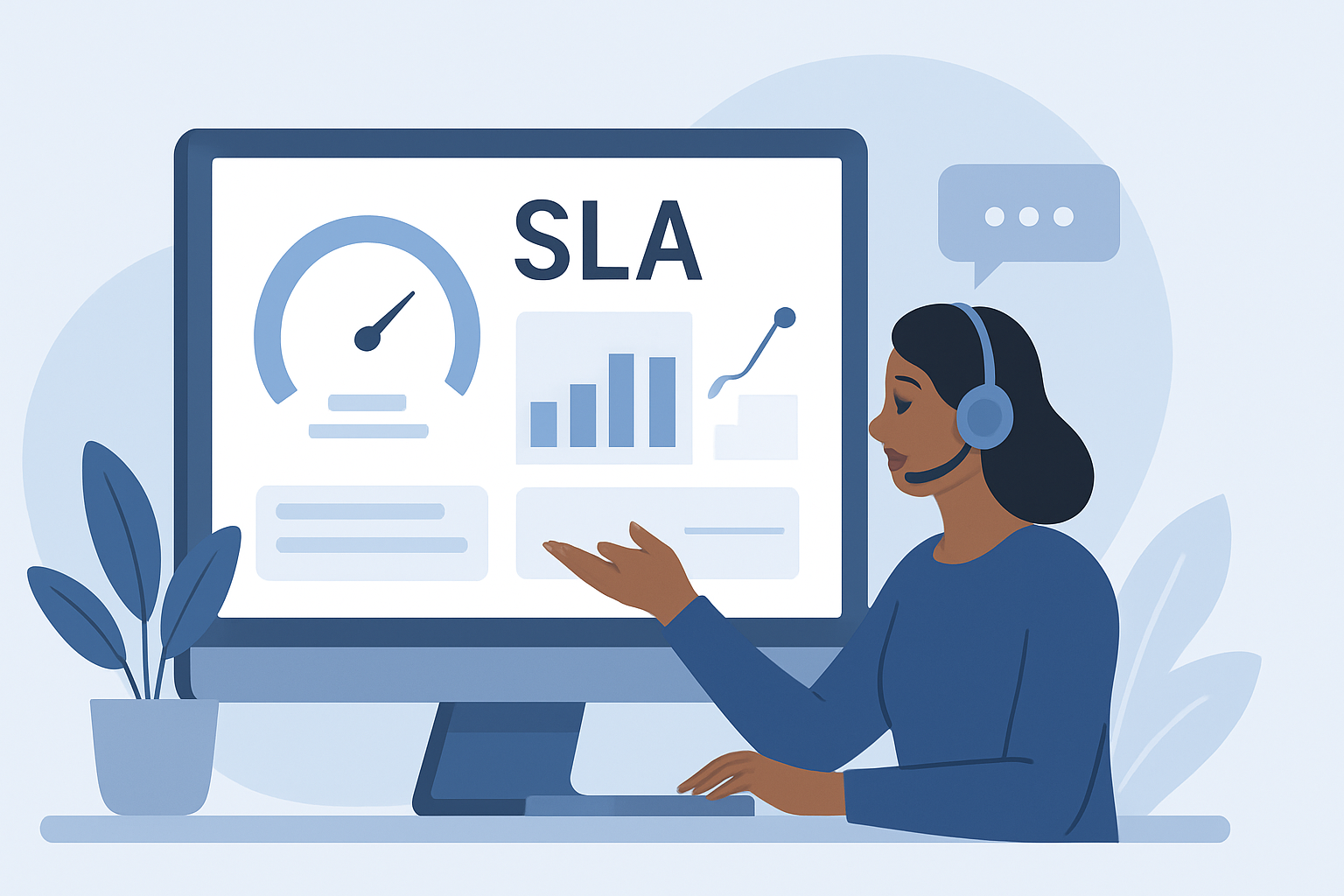
In today's fast-paced business environment, customer support plays a pivotal role in maintaining customer satisfaction and loyalty. Service Level Agreements (SLAs) are critical tools that define the expected level of service between a service provider and its customers. However, understanding and effectively managing SLA metrics can be complex. This article aims to unravel these complexities and provide insights into navigating SLA metrics in customer support.
What are SLA Metrics?
SLA metrics are quantifiable measures used to assess the performance of customer support services against predefined standards outlined in an SLA. These metrics help organizations monitor their service delivery and ensure they meet customer expectations. Common SLA metrics include:
- Response Time: The time taken to acknowledge a customer inquiry.
- Resolution Time: The time taken to resolve a customer issue.
- First Contact Resolution (FCR): The percentage of issues resolved on the first interaction.
- Customer Satisfaction (CSAT): A measure of customer satisfaction with the support received.
The Importance of SLA Metrics
Understanding SLA metrics is crucial for several reasons:
- Performance Evaluation: Metrics enable businesses to evaluate the performance of their support teams and identify areas for improvement.
- Customer Expectations: Clearly defined metrics help set realistic expectations for customers regarding response and resolution times.
- Accountability: SLAs create accountability within support teams, ensuring that they strive to meet established service standards.
- Continuous Improvement: Analyzing SLA metrics allows organizations to refine their processes and enhance service delivery over time.
Challenges in Managing SLA Metrics
While SLA metrics provide valuable insights, managing them effectively can present challenges:
- Defining Realistic SLAs: Organizations must strike a balance between setting ambitious goals and ensuring they are achievable.
- Data Accuracy: Maintaining accurate data for metrics is essential for reliable evaluations, but this can be difficult in practice.
- Customer Variability: Different customers may have varying expectations, making it challenging to meet all SLA commitments.
- Overemphasis on Metrics: Focusing solely on metrics may lead to a decline in the quality of customer interactions.
Best Practices for Managing SLA Metrics
To navigate the complexities of SLA metrics effectively, consider the following best practices:
- Set Clear and Achievable SLAs: Collaborate with stakeholders to define realistic service levels that reflect customer needs and organizational capabilities.
- Regularly Review Metrics: Conduct regular reviews of SLA performance to identify trends, areas for improvement, and adjustments needed in service delivery.
- Invest in Training: Provide ongoing training for support staff to enhance their skills and improve customer interactions, ultimately leading to better SLA performance.
- Use Technology Wisely: Leverage technology to automate data collection and reporting, ensuring that metrics are accurate and easily accessible.
Conclusion
Navigating the complexities of SLA metrics in customer support requires a strategic approach that balances the needs of the business with customer expectations. By understanding the importance of these metrics, addressing challenges, and implementing best practices, organizations can enhance their customer support efforts, ultimately leading to improved customer satisfaction and loyalty.
Este artigo faz parte do nosso blog. Veja-o na lista e descubra mais.
Ver todos os artigosSimplifique o seu apoio ao cliente. Organize tickets, responda mais rápido e mantenha a equipa alinhada.
Agendar Demonstração