Navigating the World of Support Metrics: How SLAs Shape Performance
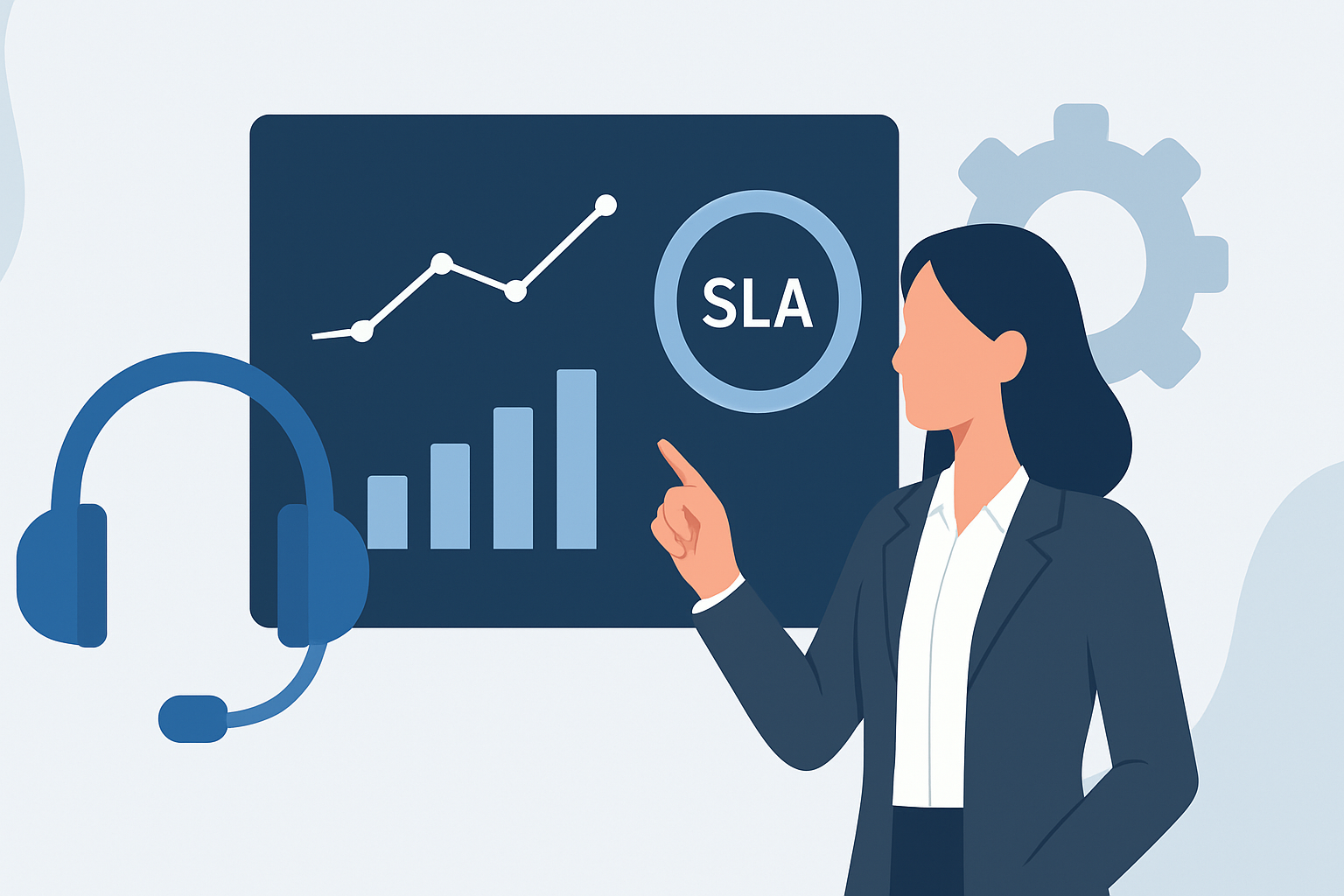
Navigating the World of Support Metrics: How SLAs Shape Performance
In today's fast-paced business environment, providing exceptional customer support is crucial for maintaining competitive advantage. Service Level Agreements (SLAs) play a vital role in shaping the performance of support teams and ensuring customer satisfaction. This article explores the world of support metrics and the impact of SLAs on performance.
Understanding SLAs
SLAs are formal agreements between a service provider and a customer that outline the expected level of service. They define the metrics by which service is measured, the responsibilities of each party, and the remedies or penalties for failing to meet those standards. By establishing clear expectations, SLAs help organizations manage customer relationships effectively.
Key Support Metrics Influenced by SLAs
Several key metrics are commonly associated with SLAs in customer support. Understanding these metrics is essential for evaluating performance and ensuring accountability. Here are some of the most important support metrics influenced by SLAs:
- Response Time: This metric measures the time it takes for a support team to respond to a customer's inquiry. SLAs often stipulate maximum response times to ensure timely assistance.
- Resolution Time: This refers to the time taken to resolve a customer's issue. SLAs may specify target resolution times to ensure that customers receive efficient service.
- First Contact Resolution (FCR): FCR measures the percentage of issues resolved during the first interaction with the customer. Higher FCR rates indicate effective support processes.
- Customer Satisfaction (CSAT): CSAT is typically measured through surveys and reflects how satisfied customers are with the support they receive. SLAs might include targets for maintaining high CSAT scores.
- Ticket Volume: This metric tracks the number of support requests received. Monitoring ticket volume helps teams allocate resources effectively and identify trends.
The Impact of SLAs on Performance
SLAs have a significant impact on the performance of customer support teams. Here are a few ways in which SLAs shape performance:
- Clarity and Accountability: SLAs provide clear expectations for both the support team and the customer. This clarity fosters accountability, encouraging support agents to meet or exceed the agreed-upon standards.
- Resource Allocation: By defining response and resolution times, SLAs help organizations allocate resources effectively. Teams can prioritize high-impact issues and ensure that agents are available when needed.
- Continuous Improvement: SLAs encourage a culture of continuous improvement. Regularly reviewing performance against SLA metrics allows teams to identify areas for enhancement and implement best practices.
- Customer Trust: Meeting SLA commitments builds trust with customers. When customers know they can rely on timely responses and resolutions, they are more likely to remain loyal to the brand.
Best Practices for Managing SLAs
To maximize the benefits of SLAs, organizations should adhere to the following best practices:
- Set Realistic Targets: Ensure that SLA targets are achievable based on historical data and team capabilities.
- Regularly Review and Update SLAs: As business needs evolve, SLAs should be revisited and adjusted to reflect current realities.
- Train Support Agents: Provide ongoing training to support agents to equip them with the skills needed to meet SLA requirements.
- Monitor Performance: Use analytics tools to track performance against SLA metrics and identify trends or areas for improvement.
- Solicit Customer Feedback: Regularly gather feedback from customers to understand their experience and make adjustments to SLAs as needed.
Conclusion
SLAs are a crucial component of effective customer support, shaping performance and driving accountability. By understanding the key metrics influenced by SLAs and implementing best practices for management, organizations can enhance their support operations and ultimately improve customer satisfaction. As businesses continue to navigate the complexities of customer service, SLAs will remain a fundamental tool in ensuring success.
Este artigo faz parte do nosso blog. Veja-o na lista e descubra mais.
Ver todos os artigosSimplifique o seu apoio ao cliente. Organize tickets, responda mais rápido e mantenha a equipa alinhada.
Agendar Demonstração