Streamlining Operations: How Automation Transforms Your Business
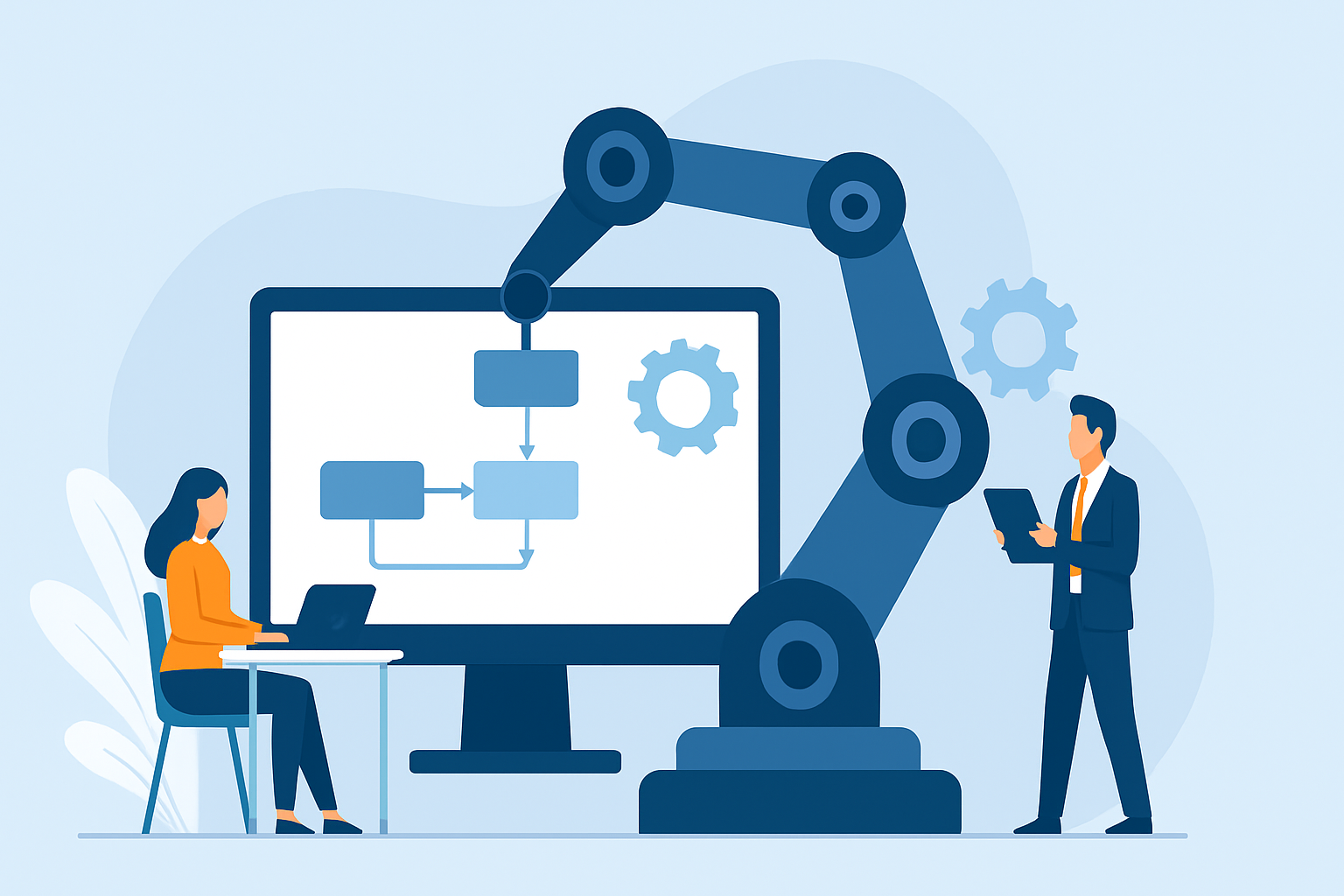
Streamlining Operations: How Automation Transforms Your Business
In today’s fast-paced business environment, efficiency is key to staying competitive. As companies strive to improve productivity and reduce costs, automation has emerged as a transformative force. This article explores how automation can streamline operations and enhance overall business performance.
Understanding Automation
Automation refers to the use of technology to perform tasks with minimal human intervention. This can range from simple processes, such as data entry, to complex systems that manage entire workflows. By leveraging automation, businesses can reduce errors, save time, and allocate resources more effectively.
Benefits of Automation
- Increased Efficiency: Automation allows tasks to be completed faster and more accurately. This leads to a significant increase in productivity, freeing up employees to focus on higher-value work.
- Cost Reduction: By minimizing manual labor and streamlining processes, businesses can significantly reduce operational costs. This includes savings on labor, training, and overhead expenses.
- Improved Accuracy: Automated systems reduce the likelihood of human error, ensuring that tasks are completed correctly every time. This is particularly important in industries where precision is crucial.
- Enhanced Customer Experience: Automation can improve customer service by enabling faster response times and personalized interactions, leading to increased customer satisfaction and loyalty.
- Scalability: As businesses grow, automation allows for seamless scaling of operations without a proportional increase in resources or costs.
Common Areas for Automation
Businesses can implement automation in various areas to enhance operation efficiency. Some common applications include:
- Marketing Automation: Tools that automate email campaigns, social media posting, and customer segmentation can help businesses reach their audience more effectively.
- Sales Automation: Customer Relationship Management (CRM) systems can automate lead tracking, follow-ups, and reporting, enabling sales teams to focus on closing deals.
- Financial Processes: Automating invoicing, payroll, and expense management can reduce administrative burdens and improve financial accuracy.
- Supply Chain Management: Automation can optimize inventory management, order fulfillment, and logistics, ensuring timely delivery and reducing costs.
- Human Resources: Automating recruitment, onboarding, and performance management can streamline HR processes and improve employee satisfaction.
Implementing Automation Effectively
To successfully integrate automation into your business, consider the following steps:
- Identify Pain Points: Analyze current processes to identify areas that are inefficient or prone to errors.
- Choose the Right Tools: Research and select automation tools that align with your business needs and goals.
- Train Your Team: Ensure that employees are trained on new systems to maximize the benefits of automation.
- Monitor and Optimize: Regularly assess the performance of automated processes and make adjustments as needed to improve efficiency.
Conclusion
Automation is no longer a luxury but a necessity for businesses looking to thrive in a competitive landscape. By streamlining operations, reducing costs, and enhancing accuracy, automation can transform the way your business operates. Embracing this technology not only improves efficiency but also positions your company for sustainable growth in the future.
As you consider automation for your business, remember that the key to success lies in careful planning and execution. Start small, measure your results, and gradually expand your efforts to unlock the full potential of automation.
Este artigo faz parte do nosso blog. Veja-o na lista e descubra mais.
Ver todos os artigosSimplifique o seu apoio ao cliente. Organize tickets, responda mais rápido e mantenha a equipa alinhada.
Agendar Demonstração