The Importance of SLAs in Customer Support: How Metrics Drive Success
The Importance of SLAs in Customer Support: How Metrics Drive Success
In today's fast-paced business environment, customer expectations are higher than ever. Customers demand prompt responses, effective solutions, and consistent communication. To meet these expectations, companies must establish clear guidelines and standards for their customer support teams. One of the most effective ways to achieve this is through Service Level Agreements (SLAs).
What are SLAs?
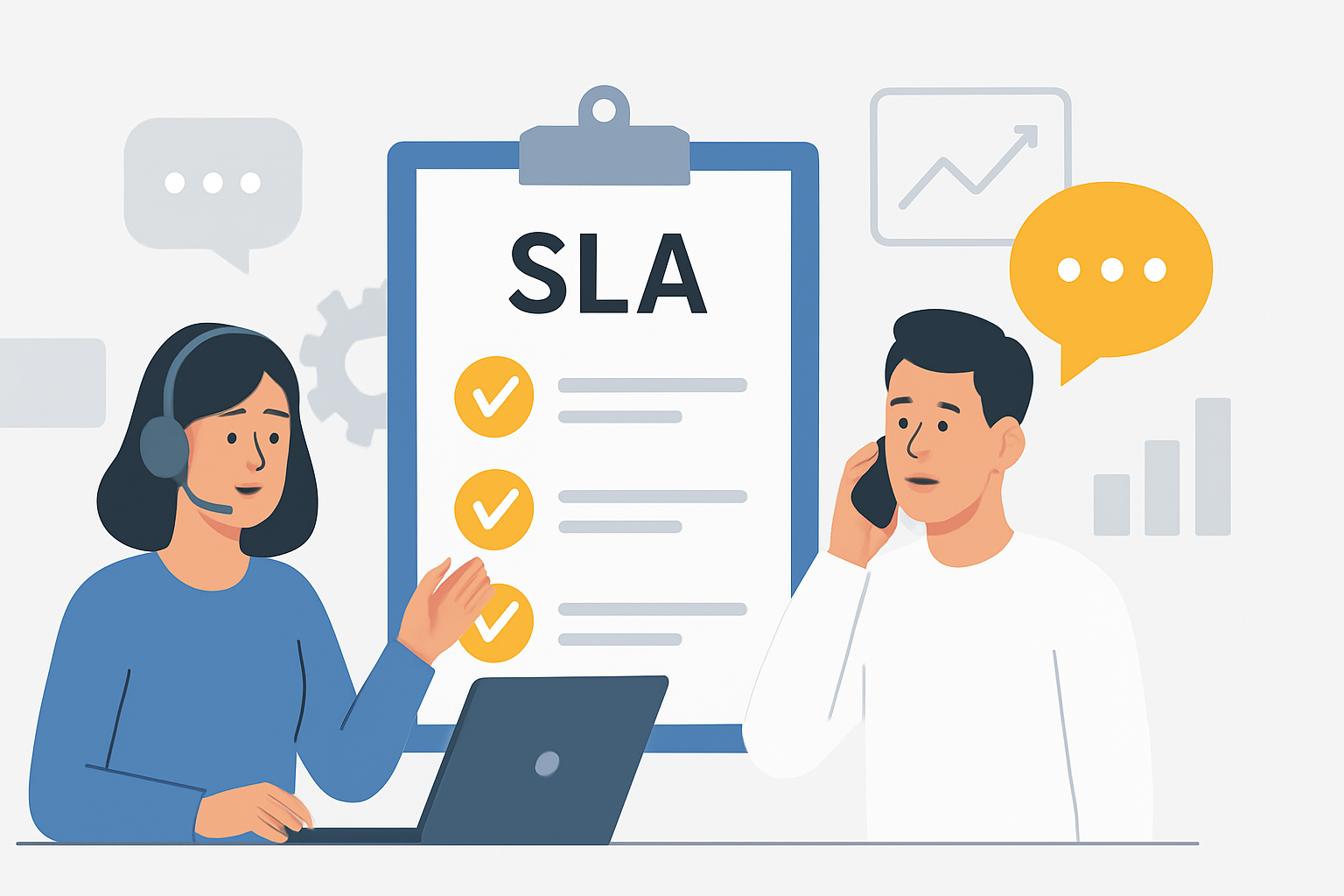
A Service Level Agreement (SLA) is a formalized agreement between a service provider and a customer that outlines the expected level of service. In the context of customer support, SLAs define the response times, resolution times, and overall service quality that customers can expect from the support team. By setting these expectations, businesses can create a framework for accountability and performance measurement.
Why are SLAs Important?
- Enhance Customer Satisfaction: SLAs help streamline customer support processes, ensuring that customers receive timely and effective responses. This leads to increased customer satisfaction and loyalty.
- Set Clear Expectations: By defining specific metrics, SLAs provide clarity for both customers and support teams regarding what is expected. This helps in reducing misunderstandings and frustration.
- Improve Accountability: SLAs create a culture of accountability within customer support teams. When team members know the standards they are expected to meet, they are more likely to take ownership of their responsibilities.
- Drive Continuous Improvement: Metrics outlined in SLAs allow businesses to track performance over time. This data can be analyzed to identify areas for improvement, leading to enhanced service delivery.
Key Metrics to Include in SLAs
When establishing SLAs for customer support, it is essential to choose metrics that align with your business goals. Here are some key metrics to consider:
- Response Time: The time taken to acknowledge a customer inquiry. This metric is crucial for ensuring that customers feel valued and attended to.
- Resolution Time: The time taken to resolve a customer issue. Quick resolution times can significantly enhance customer satisfaction.
- First Contact Resolution Rate: The percentage of issues resolved on the first interaction. High rates indicate efficient support processes and knowledgeable staff.
- Customer Satisfaction Score (CSAT): A measure of customer satisfaction with the support received. Regularly collecting this feedback helps in assessing service quality.
Implementing SLAs in Your Customer Support Strategy
To effectively implement SLAs, consider the following steps:
- Define Your Objectives: Clearly outline what you want to achieve with your SLAs. Align these objectives with your overall business goals.
- Involve Stakeholders: Collaborate with various teams, including customer support, management, and sales, to ensure that the SLAs reflect the needs of all stakeholders.
- Communicate SLAs to Your Team: Ensure that all team members understand the SLAs and their importance. Provide training if necessary to equip them for success.
- Monitor and Adjust: Regularly review SLA performance and make adjustments as needed. Use customer feedback and performance data to refine your SLAs over time.
Conclusion
In conclusion, SLAs are a vital component of an effective customer support strategy. They not only set clear expectations for service delivery but also foster a culture of accountability and continuous improvement. By leveraging metrics to drive success, businesses can enhance customer satisfaction, build loyalty, and ultimately achieve their organizational goals.
Este artigo faz parte do nosso blog. Veja-o na lista e descubra mais.
Ver todos os artigosSimplifique o seu apoio ao cliente. Organize tickets, responda mais rápido e mantenha a equipa alinhada.