Understanding SLA: Key Metrics That Matter for Customer Support
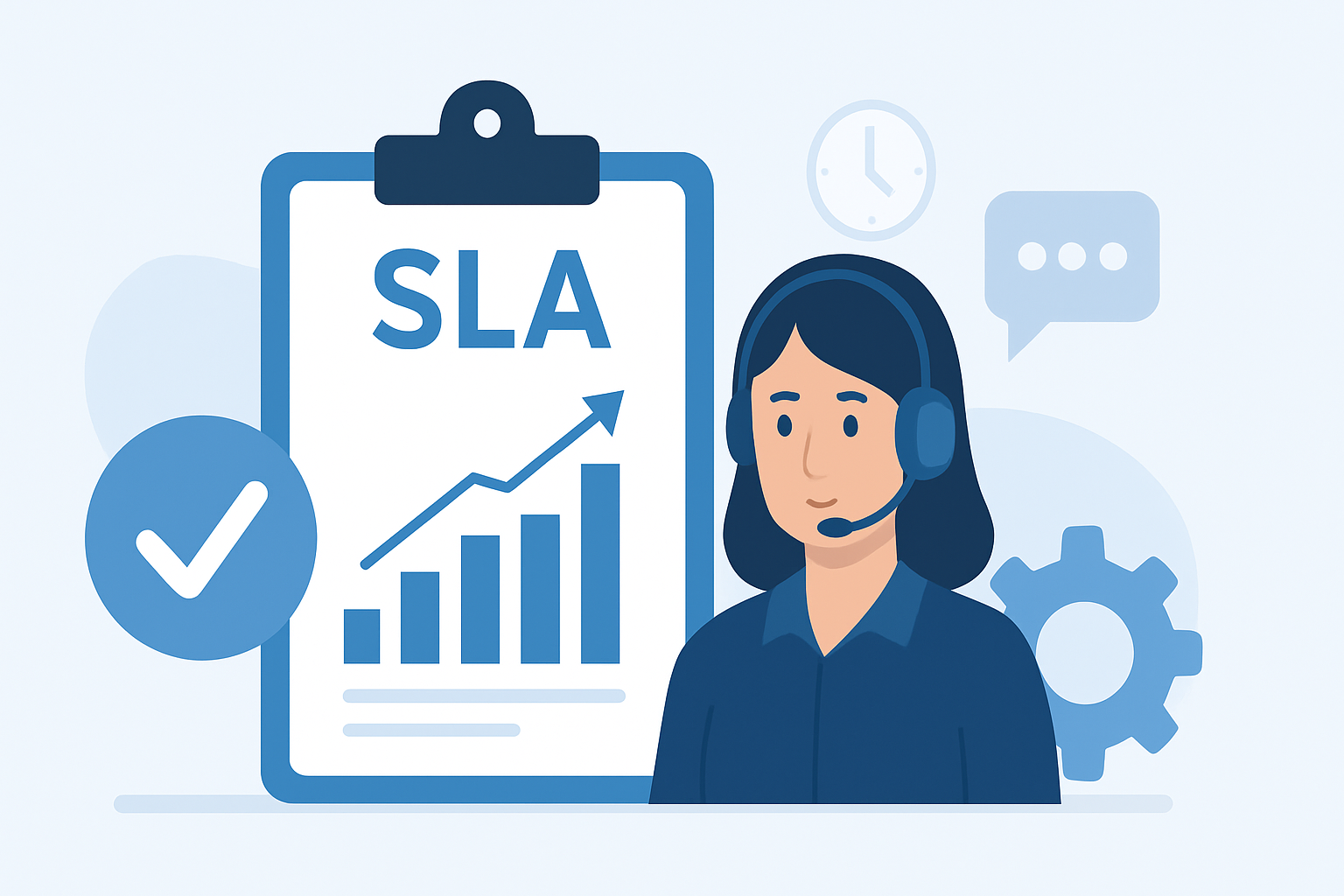
Understanding SLA: Key Metrics That Matter for Customer Support
Service Level Agreements (SLAs) are essential tools for managing customer expectations and ensuring quality in customer support. They define the level of service a customer can expect and help organizations measure their performance. In this article, we will explore the key metrics that matter for customer support SLAs and how they can enhance the customer experience.
What is an SLA?
A Service Level Agreement (SLA) is a formal document that outlines the expected level of service between a service provider and a customer. It typically includes specific performance metrics, responsibilities, and remedies in case the agreed-upon service levels are not met. SLAs are crucial for establishing trust and accountability in customer support relationships.
Key Metrics in Customer Support SLAs
To effectively measure and manage customer support performance, several key metrics should be included in SLAs. Here are the most important ones:
- Response Time: This metric measures the time taken for a support team to acknowledge a customer's request. A shorter response time often leads to higher customer satisfaction.
- Resolution Time: This refers to the time taken to resolve a customer's issue. It is critical for determining the efficiency of the support team and impacts overall customer experience.
- First Contact Resolution (FCR): FCR is the percentage of issues resolved on the first interaction with the customer. A high FCR rate indicates that the support team is effective and knowledgeable.
- Customer Satisfaction Score (CSAT): CSAT measures customer satisfaction after an interaction. It is typically gathered through surveys and is vital for understanding the customer’s perception of service quality.
- Net Promoter Score (NPS): NPS gauges customer loyalty by asking how likely they are to recommend a service to others. This score reflects the overall customer relationship and satisfaction.
- Ticket Volume: Monitoring the number of support tickets received can help assess workload and resource allocation. It can also indicate trends in customer issues.
Why These Metrics Matter
Each of these metrics plays a crucial role in enhancing the customer support experience:
- Improving Efficiency: By tracking response and resolution times, organizations can identify bottlenecks and improve their processes.
- Enhancing Customer Satisfaction: Metrics like CSAT and NPS provide insights into how customers feel about the service, allowing teams to make informed adjustments.
- Resource Management: Understanding ticket volumes helps in planning staffing and training needs to meet customer demands.
Conclusion
In conclusion, understanding and implementing effective SLAs with the right metrics is vital for any customer support team. By focusing on response time, resolution time, FCR, CSAT, NPS, and ticket volume, organizations can not only meet but exceed customer expectations. Regularly reviewing these metrics will lead to continuous improvement in service quality, ultimately fostering stronger relationships with customers.
Investing time and resources into refining SLAs can yield significant benefits, resulting in happier customers and a more efficient support team. As the landscape of customer support continues to evolve, staying informed and adaptable will be key to success.
Este artigo faz parte do nosso blog. Veja-o na lista e descubra mais.
Ver todos os artigosSimplifique o seu apoio ao cliente. Organize tickets, responda mais rápido e mantenha a equipa alinhada.
Agendar Demonstração